Meaningful Gifts for Someone Starting Therapy (Not Self-Help Books)
You care about them. You know they just started therapy, and something in you wants to mark that. To say, without saying it out loud, that you see what they're doing and you think it's brave. So you head to the bookstore, or open Amazon, and find yourself in the self-help section holding a title that feels almost right. Almost.
And then you put it back.
This is one of those moments where the impulse is right and the form just needs adjusting. You want to give something that holds them, not something that assigns homework.
Why Self-Help Books Miss the Mark
The instinct to give a book makes sense. Books feel thoughtful. They carry weight. They say: I believe you're the kind of person who wants to understand yourself.
But when someone is already in therapy, they're already doing that work. And books, even the gentlest ones, arrive with a direction built in. "Here's how to think about what you're going through." They can land, despite every good intention, like a nudge. Like a small suggestion that what they're doing in the room with their therapist isn't quite enough.
According to the American Psychological Association, about 75 percent of people who enter psychotherapy benefit measurably from the experience. The work is working. What they need from the people around them isn't more instruction. It's more softness. More acknowledgment. More proof that the world outside the therapist's office can feel safe, too.
So the question isn't "What will help them grow?" It's something quieter than that. What will make them feel held?
What Someone Starting Therapy Actually Needs
Holding space is a term borrowed from therapeutic practice. It refers to the act of being present with someone without trying to fix, direct, or advise them. That's the quality you're reaching for in a gift.
Someone at the beginning of therapy is often tender. They may be meeting parts of themselves they've been avoiding for years. The outside world, the parts that aren't the therapist's office, can feel very loud compared to what they're sitting with internally. What helps isn't more input. It's an environment that settles around them, that asks nothing.
A 2010 study published in Personality and Social Psychology Bulletin found that women who described their home environments as cluttered showed significantly higher cortisol levels throughout the day than women who described their homes as restful. The relationship between a person's space and their nervous system is measurable. The home either amplifies what therapy is trying to quiet, or it extends it.
Which is why the most meaningful gifts for this moment are the ones that tend to a person's environment rather than their knowledge base.
If you want a place to start, The Meaningful Gift Guide walks you through choosing something that fits where your person actually is right now.
Gifts That Hold Without Directing
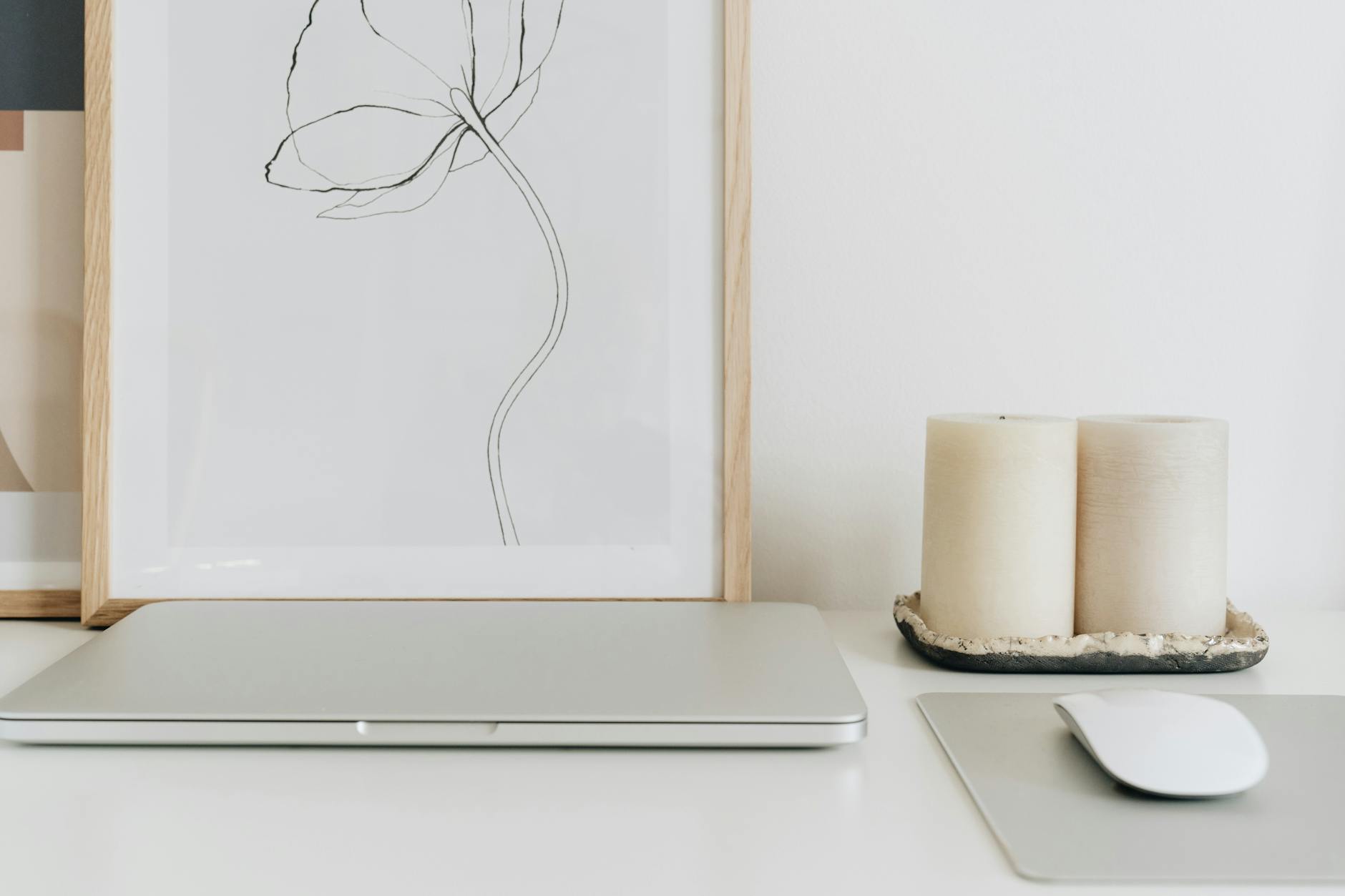
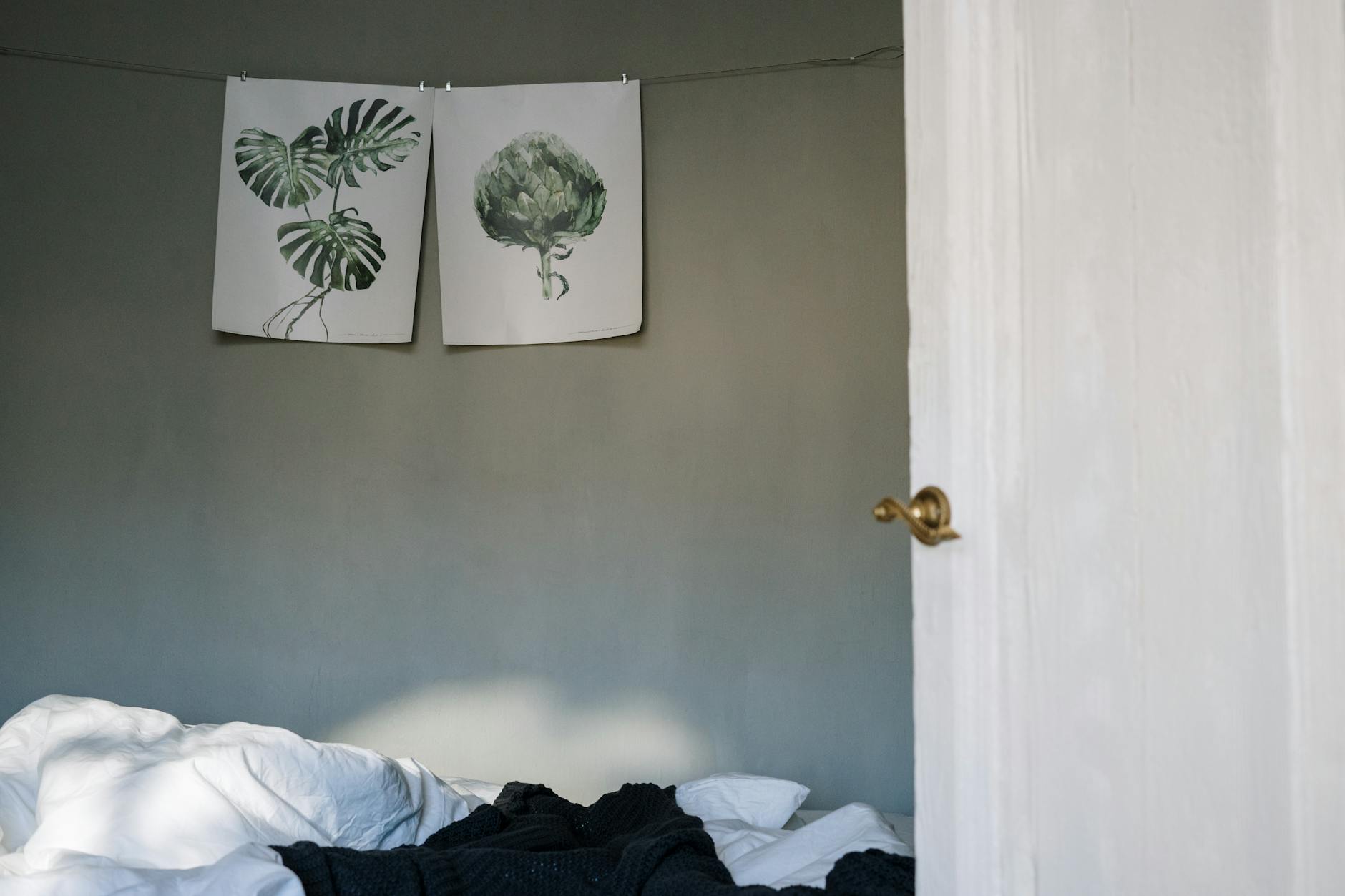
Something for their walls
This is the one people don't think of first, and it's often the one that matters most. The space someone comes home to after a session is doing its own quiet work. Blank walls aren't neutral. They're waiting. And what fills them either adds to the weight or eases it.
Art that holds rather than directs is specific. It's not a motivational poster. It's not cursive on a barn-wood frame. It's something the person can sit across from on a hard night and feel recognized by, not coached.
A print from the Wholeness Collection speaks to acceptance and integration, which is much of what early therapy is actually about. "All of you fits here" is the territory. Something to come home to when the session left things open. starting at $35 for an unframed 8x10, prints like Still becoming or "Space for all of you" offer a quiet presence without asking anything in return.
If you're not sure which print fits their space, the Haven & Hold quiz can help you find something matched to where they are right now.
A blank journal, not a guided one
The instinct to give a journal is good. But skip the ones with prompts. Prompts are another form of direction. They tell the person what to process and when.
A blank journal says: your thoughts are allowed to be whatever they are. You don't have to organize them into answers. Just a simple, well-made notebook with heavy paper. The kind that feels like it was made to hold something.
A weighted blanket or something for the body
Therapy is physically tiring in ways that are hard to explain until you've felt it. The hour is emotionally demanding, but the aftermath often lives in the body: a heaviness in the chest, a particular kind of exhausted that isn't about sleep.
A weighted blanket provides something specific. Deep pressure stimulation, the sensation of gentle, distributed weight, is associated with activating the parasympathetic nervous system, the part responsible for rest and recovery. It doesn't fix anything. It just holds.
A candle or sensory anchor
This is simpler than it sounds. Scent is among the most direct routes to the nervous system, processed by the limbic system before the thinking brain gets involved. A candle with a warm, non-chemical scent, something like sandalwood, cedar, or eucalyptus, can become an anchor for the unwinding ritual after a session.
It doesn't need to be expensive. It needs to be intentional. Something you chose because it felt like the olfactory equivalent of exhaling.
Time that doesn't require anything
Sometimes the most generous gift is the absence of demands. A meal delivered. An afternoon where someone takes something off their plate without being asked. The acknowledgment that they're doing hard work and the world doesn't have to keep requiring things of them at the same pace.
This one is harder to wrap. But it lands.
A Note on the Gift of Space
When you give something that improves a person's environment, you're giving a gift that keeps extending past the moment of opening. Every morning when they wake up and see that print on the wall, they feel it again. Every time they light that candle before bed. Every time they sink into the weight of the blanket and let their shoulders drop.
The therapist's office is a held environment. It has been carefully constructed to feel safe. The work that happens inside it begins to lose ground the moment the person steps back into an environment that's loud, cluttered, or emotionally demanding.
Your gift can extend that held feeling. Not by directing or advising or assigning. Just by making the home a little softer to come back to.
The Grounding Collection was designed specifically for this moment: when what someone needs is to feel the floor beneath them. Prints that speak to stability, safety, and rootedness, without telling anyone what to do with those feelings.
How to Give This Gift Without Overstepping
The tone of the giving matters as much as the gift itself. Here is how to offer something in this territory without making the person feel surveilled or managed.
-
Keep the note soft. Not "I hope this helps with what you're going through." Just "I thought of you when I saw this. You deserve something beautiful." The less you explain your reasoning, the more the gift can speak for itself.
-
Don't reference therapy directly unless they've brought it up with you in an open way. You can honor where they are without naming it. The gift itself does the naming.
-
Resist the urge to add a book. Even one. Even a gentle one. Let the gift be simple and complete.
-
Ask before decorating their space, if you're buying art. A print is a beautiful gift, but a person's walls are personal. You can either ask them what they've been wanting, or give a gift card with a note that says "for something that belongs on your wall." Both honor their autonomy.
The point isn't to fix them or to hurry the process along. It's to say, quietly, with a physical object: I'm here. Take the time you need. The world can wait.
Frequently Asked Questions
Is wall art a good gift for someone in therapy?
Wall art can be an especially meaningful gift for someone in therapy, particularly if the art speaks to emotional states rather than offering motivation or direction. Prints that hold an emotional territory, such as pieces themed around grounding, acceptance, or self-compassion, become a daily companion for the work happening in session. The key is choosing something that feels personal rather than prescriptive.
What should I avoid giving someone who just started therapy?
The gifts most likely to land wrong are those that imply the person needs to do more or do it differently. Self-help books, workbooks, and guided journals with specific prompts can feel like additional homework. Overtly motivational art ("You've got this!") can feel hollow compared to what the person is actually sitting with. The guideline is: gifts that hold good; gifts that direct or prescribe with caution.
How much should I spend on a gift for someone starting therapy?
The budget matters less than the intentionality. A $15 candle chosen with care will land better than a $60 journal set chosen in a hurry. That said, if you want to give something that will last, a quality art print in the $45 to $110 range represents an investment that doesn't feel disposable. Something the person will live with, not something they'll cycle through.
Do I need to mention therapy when giving this gift?
You don't. In fact, many gifts in this territory are more graceful when they're offered simply as something beautiful you thought they'd love. If the person has been open about their therapy experience, you can acknowledge what they're doing with warmth. If they haven't, honor that privacy by letting the gift speak without explanation.
What if I'm not sure what art style they'd like?
The safest place to start is with something minimal and neutral rather than something bold. Quiet art is easier to live with. You can also give a gift card to a studio like Haven & Hold with a note that says "pick something for your space" and let them choose what resonates. The act of choosing can be part of the gift.

Written by Haven & Hold