Why Your Apartment Doesn't Feel Like Home Yet
You walked into the new apartment, set down your bag, and waited for something to click.
It didn't. Weeks in, it still hasn't. You come through the door at the end of the day and something in you goes quiet in a way that isn't peace. The walls are bare. The light falls at the wrong angle. The sounds at night are new sounds your body hasn't learned to filter yet. And you can't explain to anyone why this is harder than you expected, because from the outside everything went fine. You found a place. You moved. You're in it.
But it doesn't feel like yours yet.
That's a specific kind of disorientation, and it's worth naming. Not so you can fix it faster. Just so you know you're not the only one carrying it.
What You're Feeling Has a Name
Place attachment refers to the bond formed between a person and a specific location through accumulated sensory memory, repeated experience, and emotional association. Your old home had it. You knew where the floor creaked, which window let in the most afternoon light, and the sound the building made at 2 a.m. Your nervous system had encoded all of that. It held a map.
That map doesn't transfer when the boxes do.
Your brain is doing real work in this new space right now. It is mapping sounds, cataloging the patterns of light and shadow, learning the temperature of morning in these particular rooms. That process cannot be hurried. Research in environmental psychology suggests that meaningful place attachment to a new residence takes an average of 6 to 18 months to develop, with the timeline extending when the move was stressful, involuntary, or tied to loss.
Six to eighteen months. If you are three weeks in, or four months in, and your apartment still feels like someone else's space, that is not a sign that something is wrong with you or the place. It is just the architecture of how people and places find each other.
The disorientation is real. It is also a normal part of living in the in-between, which is where you are right now.
The Blank Walls Are Not a Failure
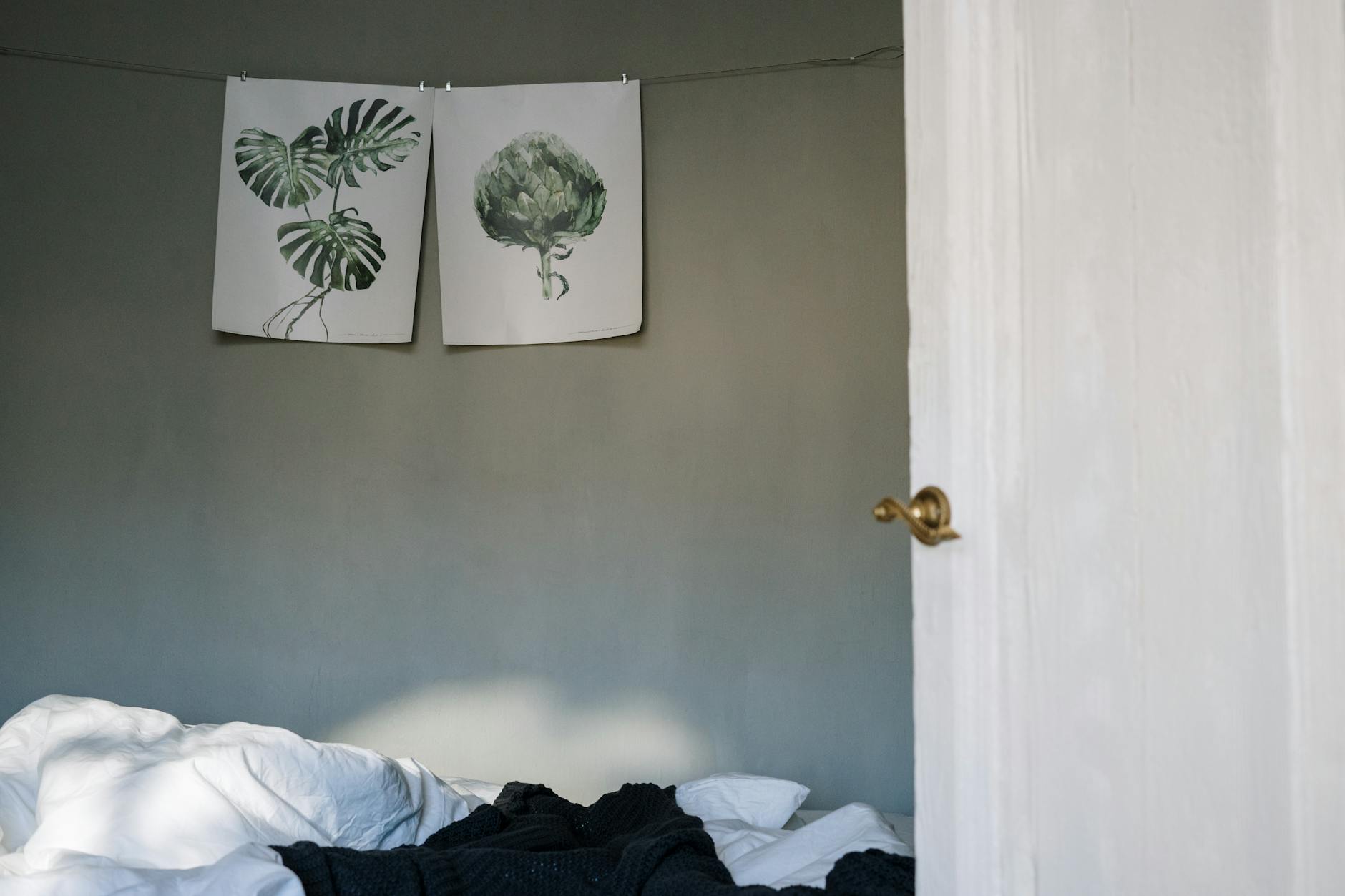
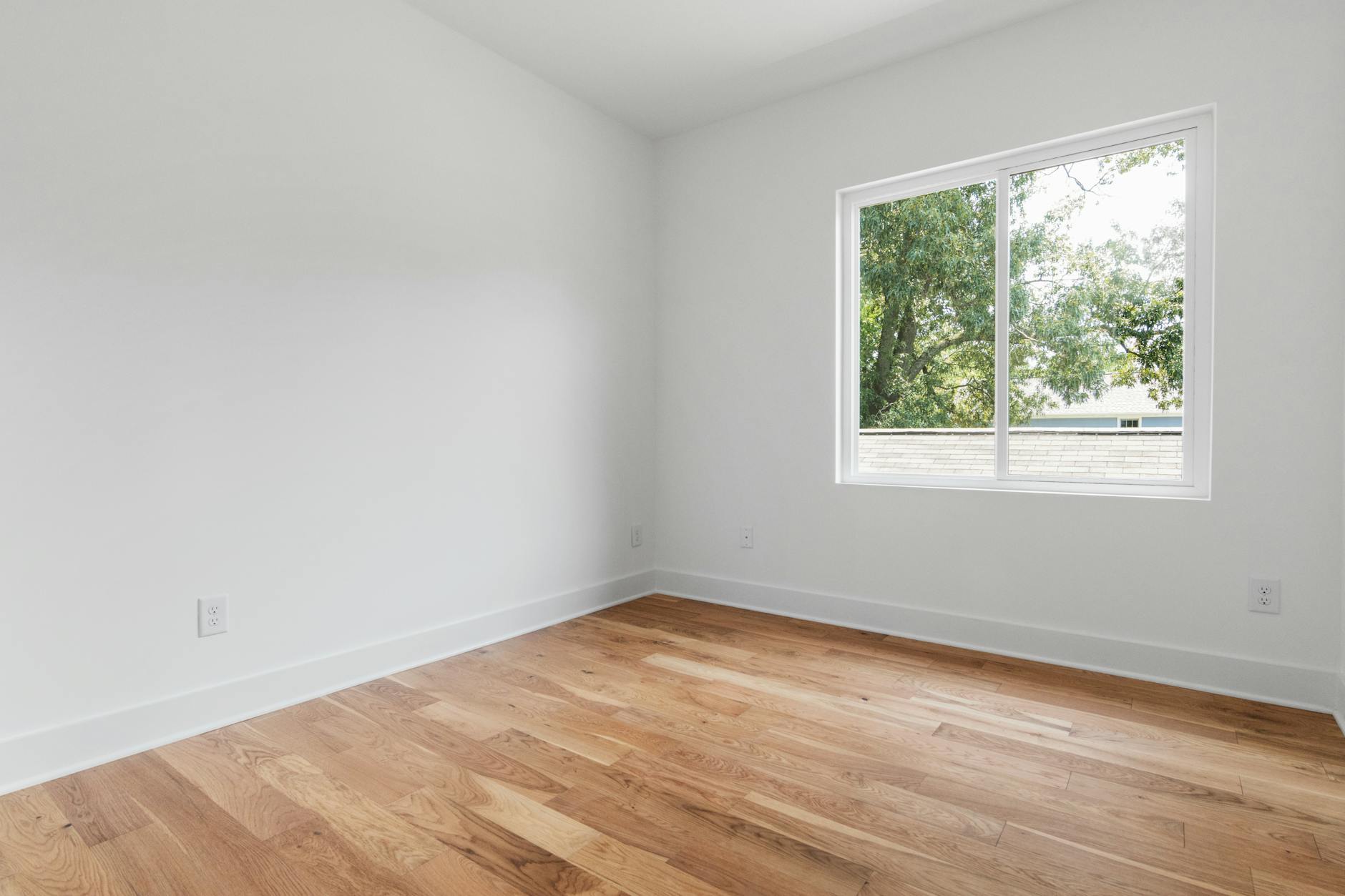
Here is what nobody tells you about empty walls: they are not neutral. A wall without anything on it registers as something unresolved. Research from UCLA found that residents who described their home environments as incomplete or disorganized showed measurably higher cortisol levels throughout the day than those who described their spaces as restful and restorative. An empty wall is its own kind of weight. It holds absence, and the nervous system notices absence, even when you are not consciously looking at the wall.
And yet you haven't hung anything.
That's not a failure of will or a lack of ideas. For most people, the blank wall stays blank because they care too much about what goes there. You know the feeling of walking into an apartment and seeing a framed print that says absolutely nothing about the person who chose it. You've scrolled for an hour and closed the tab because nothing landed. You'd rather have the empty wall than fill it with something that lies.
That instinct is good. It is telling you something real about what you need from this space, and what you're not willing to settle for. The wall is holding space for the right thing. Not the first thing, and not the thing that just fills the gap.
If you want words to hold you while you figure out the rest, Words for Hard Seasons is a free collection of language for exactly this in-between time.
The Pressure to Settle In
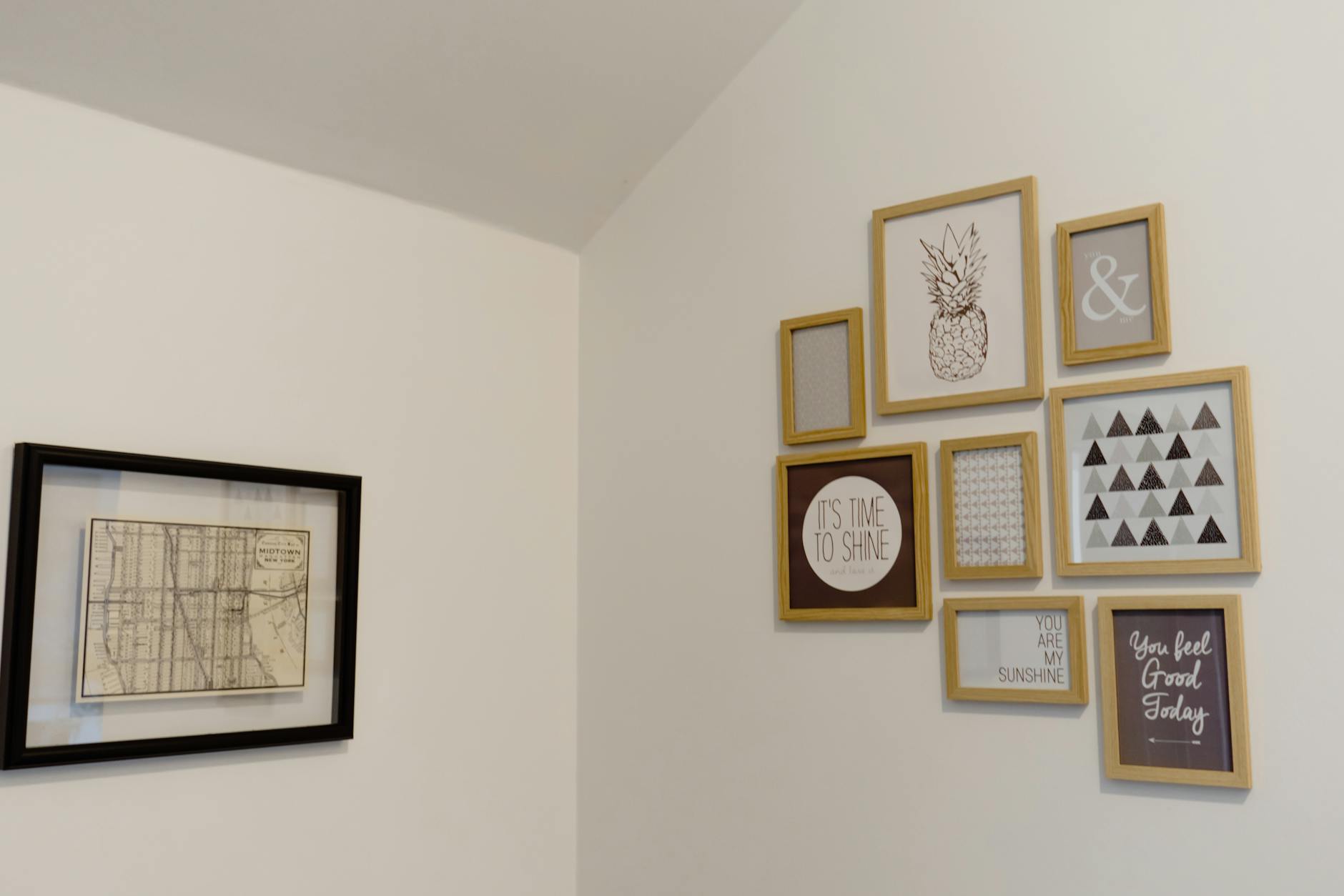
Around the one-month mark, something changes. People ask if you've settled in. Recommendations appear for gallery wall layouts and furniture arrangements. The blank walls start to feel like a reproach, or a reflection of something unfinished inside you.
So people fill them, quickly and imprecisely. And six months later they are searching again because nothing they chose actually landed.
The question worth sitting with is not "what should I put on these walls" but "what do I need this space to hold." Those are different questions. The second one takes longer to answer, and it is the one that leads somewhere true.
If you are here because you moved through something hard to get to this apartment, if this place represents a transition or an ending or a beginning you are still making sense of, then the walls carry that too. A room that has held nothing is waiting for something that belongs. You already know the difference between true and decoration. That knowledge is what kept your walls bare. It is worth trusting.
What a Wall Can Hold
When you are ready, and not before, the things that tend to land in spaces like this are not decorative. They are chosen. They come from the same place in you that knows what your therapist is saying even before they finish the sentence.
The Grounding Collection exists for exactly this season: the in-between time when everything still feels new and uncertain, when the floor beneath you is still unfamiliar. Starting at $45, these prints are not affirmations. They are quiet acknowledgments of where you are and what you need. Small, patient things for a wall that is still learning it belongs to you.
When you're ready, they will be here.
You don't need to have this figured out. The space is waiting, not judging. The in-between is where you are, and that is enough for now.
Frequently Asked Questions
How long does it take for a new apartment to feel like home?
Research in environmental psychology suggests that place attachment, the psychological bond between a person and a specific location, takes an average of six to eighteen months to develop in a new residence. The timeline varies depending on how stressful the move was, how attached you were to the previous space, and how much you are able to personalize the new environment. Giving yourself that full span of time is not a failure of adjustment. It is how the process actually works.
Why do blank walls make a space feel unsettling?
Visual incompleteness registers as an unresolved cue in the nervous system, which is looking for signals about whether an environment is safe and established. Research from UCLA found that people who described their home environments as incomplete or disorganized showed elevated cortisol levels throughout the day. An empty wall is not neutral. It holds absence, and the brain notices that absence even when you are not consciously looking at it.
Is it normal to feel like a new apartment belongs to someone else?
Yes, and it is more common than most people acknowledge. Before your nervous system has mapped a new space through accumulated sensory experience, the environment reads as unfamiliar rather than safe. You haven't yet built the recognition patterns, the specific sounds, the quality of light at particular times of day, and the subtle sensory landscape, that register a space as yours. That process builds through time and repetition, and it cannot be forced.
What actually helps a new place start to feel like home?
Small rituals anchored to specific spots tend to help more than decorating quickly. Making coffee at the same surface each morning, leaving a book in the same corner, and having one area that becomes recognizable as your place all give the brain somewhere to build familiarity. Personalization matters, but only when what you choose actually belongs. Putting something on the wall just to fill the space often extends the feeling of displacement rather than resolving it.
When is the right time to start decorating a new apartment?
There is no universal right time, and the pressure to settle in quickly is itself worth examining. If you find yourself filling walls with things that don't mean much because the blankness feels unbearable, you are managing the discomfort of transition rather than building a home. Waiting until something calls to you, even if that takes months, tends to lead to a space that actually holds you. The blank wall is patient. You are allowed to be patient with it.

Written by Haven & Hold