Therapeutic Home Design: Your Space and Mental Health
Walking through your front door at the end of a long day, you already know. Before your coat is off, before you've sat down, your body has taken the reading. The room either receives you or it doesn't. The shoulders either drop or they don't.
This isn't metaphor. Environmental psychology has spent decades documenting what most of us sense without language: the physical space around us is in continuous conversation with our nervous systems. The light levels, the visual complexity, the colors, the objects on the walls and shelves. All of it is being processed, faster than conscious thought, by the same systems that scan for threat and safety in every environment we enter.
This guide brings together what we know about therapeutic home design, not as a renovation project requiring time and money you may not have, but as a set of quiet choices available to you right now. Some of them cost nothing. All of them start from the same premise: you are allowed to want a home that holds you.
What Your Nervous System Is Doing in Every Room
Your brain doesn't wait for your opinion. Before you've consciously noticed anything about a room, your nervous system has already filed its report.
The millisecond scan
Neuroscientists describe this as threat detection. Within milliseconds of entering a space, your brain is running a rapid assessment: Is this safe? Can I rest here? The signals it reads, horizontal sight lines, light levels, visual complexity, the presence or absence of nature, are processed through the same subcortical pathways that evolved to detect predators in open fields.
This is why some rooms make you exhale without knowing why, and others make you want to leave immediately without being able to explain it. The conscious mind arrives late to a decision the nervous system already made.
Cortisol, clutter, and what the research has found
Therapeutic home design is the intentional arrangement of a living space to support psychological wellbeing, reduce nervous system activation, and create environments that feel safe and restorative.
A 2012 study from UCLA's Center on Everyday Lives of Families found that women in homes with high clutter density showed cortisol levels that remained elevated throughout the day, with those in the most cluttered homes reporting 30% higher stress than those in tidier environments. The effect persisted regardless of whether the women consciously noticed the clutter. Separately, a 2020 study in the Journal of Environmental Psychology found that access to natural light in the home was associated with a 15% reduction in depressive symptoms among adults working remotely.
Clutter communicates incompleteness. Unresolved demand. Your brain reads it not as mess but as a to-do list that's everywhere you look, and your stress response rises to meet it.
This matters because many of us have internalized shame about our spaces. "I just need to clean up." But the research suggests something more nuanced: it isn't the mess exactly that's the problem. It's the signal the mess sends, and the way that signal compounds over hours and days.
Why "just clean it up" misses the point
Therapeutic home design isn't about perfection. It's about signal.
The question worth asking isn't: how do I make my space flawless? It's: what is my space communicating to my body right now? And: which of those signals can I shift, with the time and resources I actually have?
Even small changes, a cleared surface, a lamp in a dark corner, a single piece of art that holds something true, can alter the message a room sends before your conscious mind catches up. This is where therapeutic design begins: with the next small choice available to you, made with the resources you already have.
Light: The Foundation of a Therapeutic Space
Light is the design element most directly connected to mental health, and the one most people can actually change without a contractor or a large budget.
Natural light and your body's rhythm
The human circadian rhythm is calibrated by light. Specifically by the spectrum of natural daylight, which shifts throughout the day from cooler blue-white in the morning to warmer amber in the evening. When that calibration is off, as it often is in spaces without adequate natural light, the effects are measurable: disrupted sleep, lower serotonin production, and a pervasive flatness of mood that's hard to attribute to anything specific.
If your home gets good natural light, protect it. Keep window sills clear. Choose lighter curtains. Position your most-used spaces to receive the most daylight you have.
What to do when your windows are small
Most of us don't live in spaces with perfect natural light. This is especially true in apartments and older homes, where windows are small or face the wrong direction.
The answer isn't more overhead lighting. Overhead light, especially fluorescent or cool-temperature LEDs, tends to flatten a space and communicate "office" or "medical" rather than "home." It keeps the nervous system in an activated state.
Instead, layer your light sources. A floor lamp in a dark corner. A table lamp that creates a warm pool near your reading chair. Bulbs in the 2700-3000K range, which approximate late afternoon sun, are widely available and inexpensive. The goal is pockets of warmth rather than even, clinical illumination.
The evening transition
One of the simplest therapeutic changes available to most people costs almost nothing. In the hour before you want to wind down, shift your lighting from overhead to ambient. Dim what you can. Let the room signal that the day is ending.
This isn't about a strict routine. It's about giving your nervous system permission to soften before sleep, rather than remaining in high-alert mode until the moment you close your eyes. The body takes its cues from the environment. A dark, warm room at 9pm is the environment saying: you are allowed to rest now.
If you're not sure which direction to take your space, the Sanctuary Style Quiz can help you find the design approach that fits where you actually are right now, not just where you'd like to be. Take the Sanctuary Style Quiz
Color and the Language of Calm
Color affects mood. This isn't new, and it isn't mystical. It's grounded in how the visual cortex processes different wavelengths of light and how those signals interact with the autonomic nervous system.
Cool tones and the quieting effect
Blues and greens, particularly in their quieter and more muted expressions, tend to have a calming effect on the nervous system. Research published in Building and Environment has found associations between cool-toned interiors and lower heart rate and self-reported anxiety. Sage, dusty teal, muted slate: these tones work by reducing visual contrast and giving the eye somewhere restful to land.
This doesn't mean you need to paint your walls sage green. It means incorporating these tones through textiles, through art, through ceramics on a shelf, can contribute to the overall signal your space sends. The cumulative effect of several small decisions is often more significant than one large one.
Warm neutrals and what they hold
Warm neutrals, soft whites, sandy taupes, muted clays, have a different quality. Where cool tones quiet, warm tones hold. They create a sense of envelopment and belonging that can be particularly meaningful for people who spend a lot of time in spaces that feel exposed or institutional.
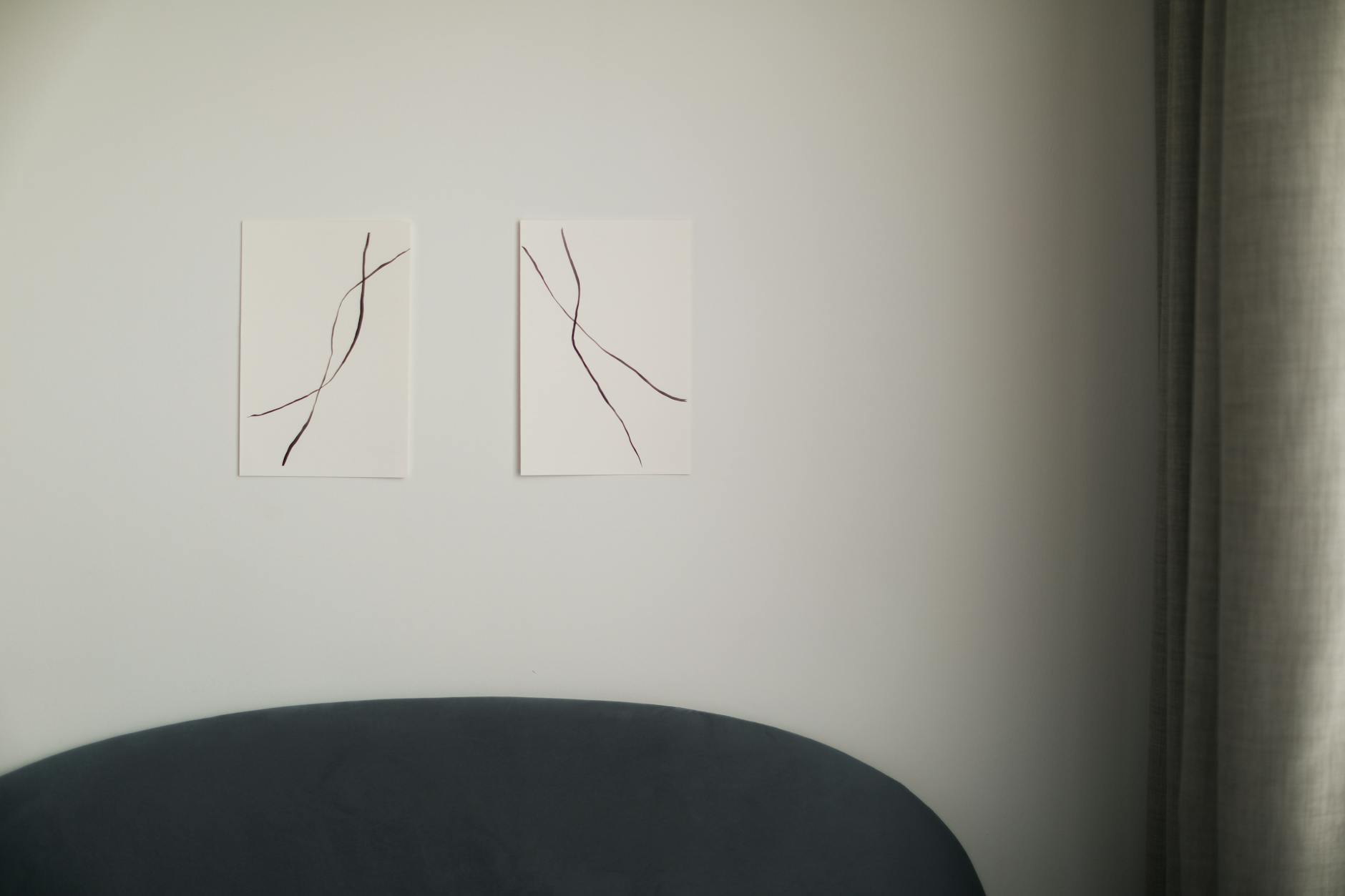
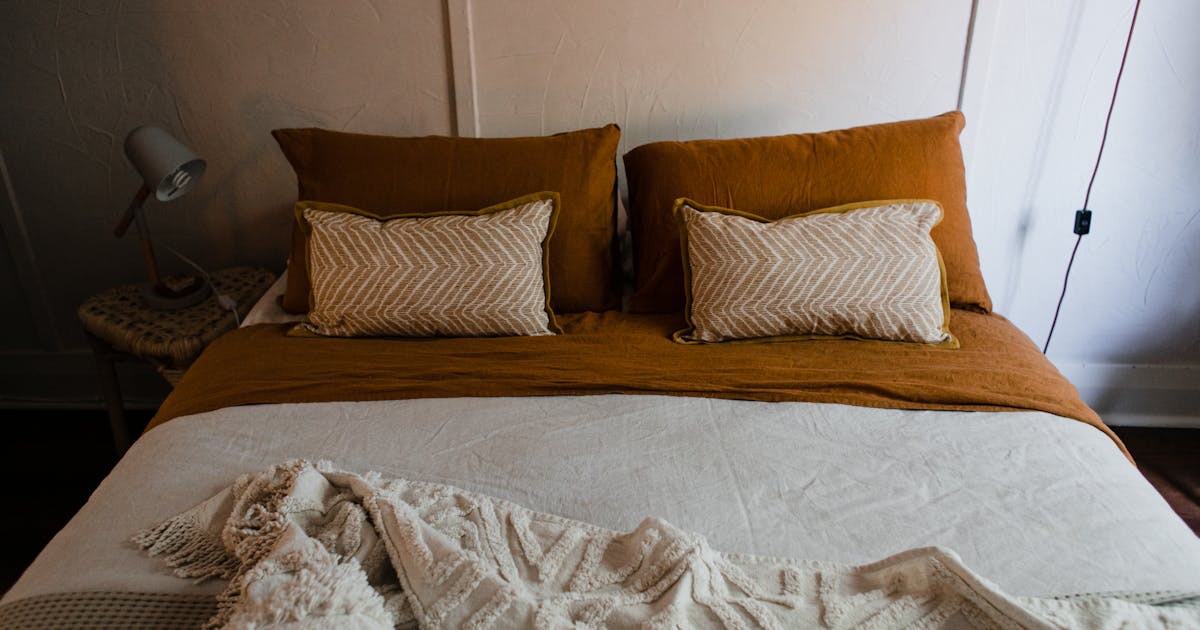
If your home currently skews very cool or very stark, introducing warm textiles and art in earth tones can shift the feeling without requiring a repaint. A linen throw blanket. A print in warm sand and charcoal. The nervous system notices these things even when the conscious mind doesn't.
Starting where you are
Therapeutic home design doesn't require starting over. Color can be introduced in the smallest ways: a cushion cover, a throw blanket, a print on a wall. The goal isn't to execute a design scheme. It's to make incremental choices that shift the signal your space sends, one small decision at a time.
This is where many people stop before starting, because "therapeutic home design" sounds like a project. But it isn't a project. It's a series of small choices, each one asking the same quiet question: does this help my space hold me better?
The Words on Your Walls
Of all the design elements in a home, words carry unusual weight. A painting communicates atmosphere. A photograph holds a moment. But words make claims. They say something specific, and they say it every time you look at them.
Why affirmation art often falls flat
If you've searched for wall art recently, you've seen it. "She believed she could, so she did." "Good vibes only." "Rise and grind." These phrases are everywhere, and for many people, they create a subtle but persistent dissonance.
The problem isn't motivation exactly. The problem is that affirmation art tends to address who you should be, rather than holding who you are. It performs. It instructs. And for someone who is genuinely in a hard season, someone in therapy, someone working through something real, more instructions and performances are exhausting.
The blank wall, for many people, is preferable to a wall that lies to them.
What it means for words to hold space
A different approach to wall art is possible. Words that don't require you to rise to meet them. Words that acknowledge the weight of the moment rather than demanding you get past it.
"You are held here." "Soften here." "Between chaos and calm."
These phrases don't perform. They don't instruct. They acknowledge the full complexity of what it means to be in a hard season and offer presence rather than prescription. They sit beside you rather than standing over you. For people doing serious therapeutic work, this distinction matters enormously. The words on your wall can either add to the demand you're already under, or they can reduce it.
Grounding, Wholeness, and Growth
Therapeutic needs shift. Someone in the middle of a difficult period might need their space to communicate stability and safety. The same person, six months later, might need their space to hold the complexity of becoming something new.
The Grounding Collection works with triangles, horizons, and stable forms to communicate rootedness. These prints are for the times when you need to feel the floor beneath you.
The Wholeness Collection works with circles and complete forms, and the mantras hold themes of self-compassion and acceptance. These prints are for the times when you're tired of trying to fix yourself.
The Growth Collection works with emerging forms, lotus shapes, spirals, and the words hold the tension of becoming. These prints are for the times when you're between who you were and who you're becoming.
There's no right collection to start with. The right place is wherever you are.
Designing for Stability: The Grounding Principle
Grounding, as a therapeutic concept, is about returning to the present. To the body, the breath, and the physical reality of where you are right now. The environment can support this process or work against it.
Horizontal lines and visual anchors
Horizontal sight lines communicate stability. This is why rooms that feel grounding often have low furniture, wide shelves, and art oriented to emphasize stillness. The eye follows a horizontal line and rests. It follows a vertical line and keeps moving.
This doesn't mean every piece of furniture needs to be low or every work of art needs to be horizontal. It means noticing whether your space is asking your eye to rest, or to keep searching.
The goal of a grounded space isn't emptiness. It's a sense that the room knows where it is.
Creating visual anchors
A visual anchor is a single element in a space that the eye returns to naturally. A piece of art. A lamp. A plant. Something that says: here. This is the center.
In therapeutic design, visual anchors are valuable because they give the mind somewhere to land. In moments of anxiety or overwhelm, a familiar and beautiful object can function as a grounding point, something to look at and return to, the way some people use breath or a physical sensation.
The print You Are Held Here, from the Grounding Collection, was designed with exactly this in mind. Its calm typography and warm neutral palette make it easy to rest your gaze on. The words don't ask anything of you. They simply hold.
The bedroom as your most important room
If you're going to focus your therapeutic design efforts anywhere, start with the bedroom. This is where your nervous system is most vulnerable, where sleep disruptions compound, and where the signals your space sends can most directly affect your mental health.
The bedroom environment affects sleep onset, sleep quality, and how you feel when you first open your eyes. Light levels, temperature, color, and the presence or absence of work-related cues all play a role.
The Space You Come Home to After Hard Days
There's a particular tiredness that comes after a therapy session. Something has been opened that wasn't open before. You might feel lighter or heavier or strangely both. The room you walk into afterward matters more than usual.
This is also the room you come home to after a hard conversation, a draining shift, a day when you kept it together until you didn't have to anymore. The room is always receiving something from you. The question is whether it's designed to hold it.
For a closer look at how to design specifically for the hour after a difficult session, the post on the room you come home to after therapy explores this with more specificity.
Small changes and real effects
The research on environmental psychology consistently shows that small changes have measurable effects. You don't need to redesign your home to create a more therapeutic space.
A single lamp moved to create a warm corner. A throw blanket on the couch. A piece of art on an empty wall that says something true about where you are. These things compound over time. They shift the quality of signal your space sends, one small choice at a time.
The effect isn't instantaneous. But it accumulates. Spaces that hold you well become more restorative over time, not less.
Permission to begin where you are
One of the most common responses to learning about therapeutic home design is a familiar feeling: overwhelm. "I'd have to redo everything." "I can't afford new furniture." "My space is too small for any of this."
These responses are understandable. But they're also a version of the same thinking that delays a lot of good things. There's no ready. There's only the next small choice available to you right now.
You might find it useful to take the Sanctuary Style Quiz to understand which of the three emotional territories, Grounding, Wholeness, or Growth, fits where you are right now. That clarity alone can make the next choice feel more specific and less overwhelming.
A Room-by-Room Guide to Therapeutic Home Design
The bedroom
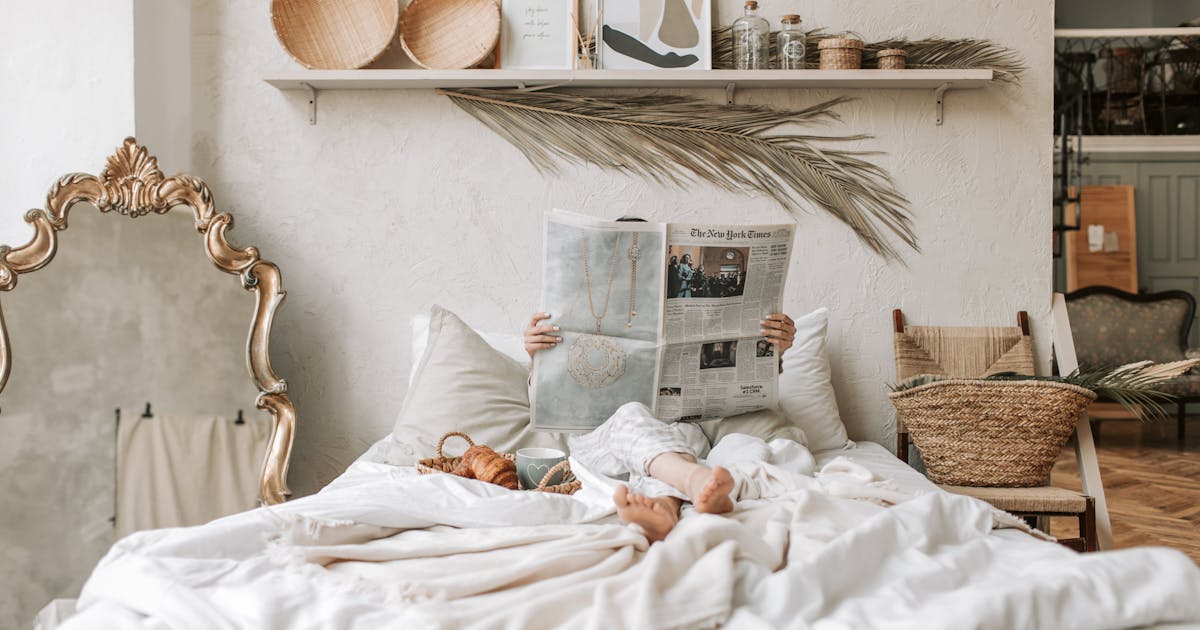
The bedroom is the most therapeutically significant room in most homes. It's where you're most vulnerable, where sleep happens, and where mornings begin. Therapeutic design principles for the bedroom include: layered and warm light rather than overhead fixtures in the hour before sleep, cool temperatures where possible (the body sleeps better between 60-67 degrees Fahrenheit), art positioned at a height visible from the bed, and a clear floor and surfaces that don't communicate unresolved demand.
Choose prints for the bedroom that communicate rest and safety rather than aspiration or complexity. The bedroom isn't the right place for art that asks you to become something. It's the right place for art that holds you as you are.
Browse prints selected for bedroom spaces in the Bedroom Collection.
The reading nook and home office
Spaces for focused work and quiet presence have different needs than sleeping spaces. Here, you want enough visual interest to hold attention without overstimulating. Natural light if possible, task lighting if not.
For home offices, keep surfaces clear enough that the visual field isn't generating anxiety. For reading nooks, create a sense of enclosure: a chair that faces a wall rather than an open room, a lamp close by, something on the wall that rewards occasional glancing.
The Nook and Office Collection offers prints suited to spaces of quiet attention, where you want words that support presence rather than demand performance.
Shared spaces and the limits of control
Not every room in your home is fully within your control. Shared spaces, whether with a partner, roommates, or family, require compromise. Therapeutic design in shared spaces often works best when it focuses on the smallest unit of the space you do control: a corner, a shelf, a single wall.
A reading corner with your chair, your lamp, and one piece of art can function as a therapeutic anchor even in a busy shared apartment. The goal isn't to design the whole space. It's to create one place that holds you, and to let that be enough for now.
If you're thinking about art for a shared therapeutic space, particularly a therapy office or counseling room, the guide on wall art for therapy offices explores the specific principles that support a therapeutic frame for your clients as well as yourself.
Frequently Asked Questions
Does home design really affect mental health?
Yes. Environmental psychology has documented clear connections between the physical environment and psychological wellbeing. Specific elements, including light levels, color, visual complexity, and the presence of nature, have measurable effects on cortisol levels, sleep quality, and self-reported anxiety. This doesn't mean your home is causing your mental health challenges. But it does mean your home can either support or complicate your care.
What are the most important elements of a therapeutic home?
Light is consistently the most impactful element. Natural light supports circadian rhythm and serotonin production. After light: visual order (not perfection, but a manageable level of visual complexity), warm color temperature in the evening, and spaces that feel appropriately sized for the activity in them. Sleeping spaces should feel enclosed and restful. Working spaces should feel clear and organized.
How do I start designing a therapeutic space on a budget?
Start with what you can shift without spending anything: clear one surface, move a lamp, rearrange what's on your walls. Then introduce warmth through textiles before investing in furniture. A throw blanket and a cushion cover cost very little and change the feeling of a room significantly. When you're ready for art, think about what you need to feel in this specific room, right now, and choose from that place rather than from a design trend.
What kind of wall art supports mental health?
Art that holds rather than instructs. Art that acknowledges complexity rather than demanding you rise to meet it. Research on art in therapeutic settings, including clinical waiting rooms and counseling offices, suggests that representational nature imagery tends to reduce anxiety, while abstract pieces can either ground or activate depending on their visual energy. For many people, words matter most. Choose prints whose language feels honest rather than aspirational.
How can I make a small apartment feel more therapeutic?
Small spaces can be highly therapeutic. The principles that work best: vertical clutter is more problematic than horizontal (keep surfaces clear, let walls hold meaning), layered light sources make a space feel warmer and more settled than a single overhead fixture, and one well-chosen piece of art carries more therapeutic weight than many smaller, undecided ones. Let the space breathe. Less, held with intention, is almost always better.
Is therapeutic home design different from minimalist design?
Related, but not identical. Minimalist design prioritizes the visual quiet of having less. Therapeutic design prioritizes the signal that a space sends to the nervous system. The two overlap significantly, but a therapeutic home doesn't have to be minimalist. A warm and curated space with layered textiles and meaningful objects can be highly therapeutic without being spare. The question isn't how much you have. It's what signal each element sends.
Can the color of my walls actually affect my anxiety?
Yes, with some nuance. Saturated, high-contrast color combinations are more likely to activate the nervous system than muted, analogous palettes. Very cool or very clinical environments can feel stressful over time. That said, individual responses to color vary significantly based on personal history and lived experience. The most reliable principle: choose wall colors you find genuinely restful, not ones you think you should like based on what looks good on Instagram.
A Closing Thought
Your space already knows you. It holds your routines, your habits, your most tired hours and your most hopeful ones. It receives you every time you walk through the door, and it has an opinion, even if it expresses it quietly.
Therapeutic home design is the practice of listening to that conversation and making small choices that bring it closer to what you actually need. A series of quiet decisions, each one made with your wellbeing in mind.
You're allowed to want a home that holds you. That's not an indulgence. It's a reasonable extension of the care you're already doing.
If you're ready to start with the walls, the Wholeness Collection holds prints for the times when you need permission to be whole as you are. The Grounding Collection holds prints for the times when you need to feel the floor beneath you. And the Space for All of You print says, simply, what a good room always says anyway.
Take your time. The right piece will find you.
A Practical Note
Therapeutic home design refers to arranging a room so it supports regulation, rest, and emotional orientation in daily life.
Two research notes make the home context harder to dismiss. A 2010 UCLA Center on Everyday Lives of Families study connected stressful-home language with daily cortisol patterns, and a 2024 Gallup sleep survey found that 57% of U.S. adults said they would feel better if they got more sleep. A room is not treatment, but it is part of the nervous system’s daily backdrop.
Frequently Asked Questions
What is therapeutic home design?
Therapeutic home design refers to choices that make a room feel steadier to live in. It uses light, layout, texture, color, and meaningful objects to support regulation without making the space feel clinical.
Can home design support mental health?
Home design cannot replace care, therapy, sleep, or community. It can reduce friction in daily life by making rest, transition, and emotional recovery easier to access.
What is the easiest place to start?
Start with the part of the room your eyes land on most often. One wall, one chair, one lamp, or one print can shift how the room greets you.
Related guide: For more room-by-room ideas, read our calming wall art guide. calming wall art guide.
You might also enjoy
- Wall Art for Therapy Offices: The Definitive Guide
- 7 Minimalist Bedroom Wall Art Ideas That Help You Sleep
- How to Print Digital Downloads at Home (Without the Frustration)
- Creating a Meditation Corner in Any Size Home
- The Grounding Collection: Why Triangles and Horizons Signal Safety
- The Wholeness Collection: What Circles Have Been Trying to Tell Us
- Entryway Wall Art That Sets the Tone for Your Home
- The Room You Come Home To After Therapy | Haven & Hold
- Reading Nook Ideas for People Who Need a Space That's Just Theirs
- How to Design a Trauma-Informed Therapy Office
- Neutral Tone Home Decor: Why Sand, Clay & Charcoal Work
- Companion Mantras: The Hidden Layer Behind Every Haven & Hold Print
- Mental Health Awareness Month 2026: Build a Home That Holds You

Written by Haven & Hold