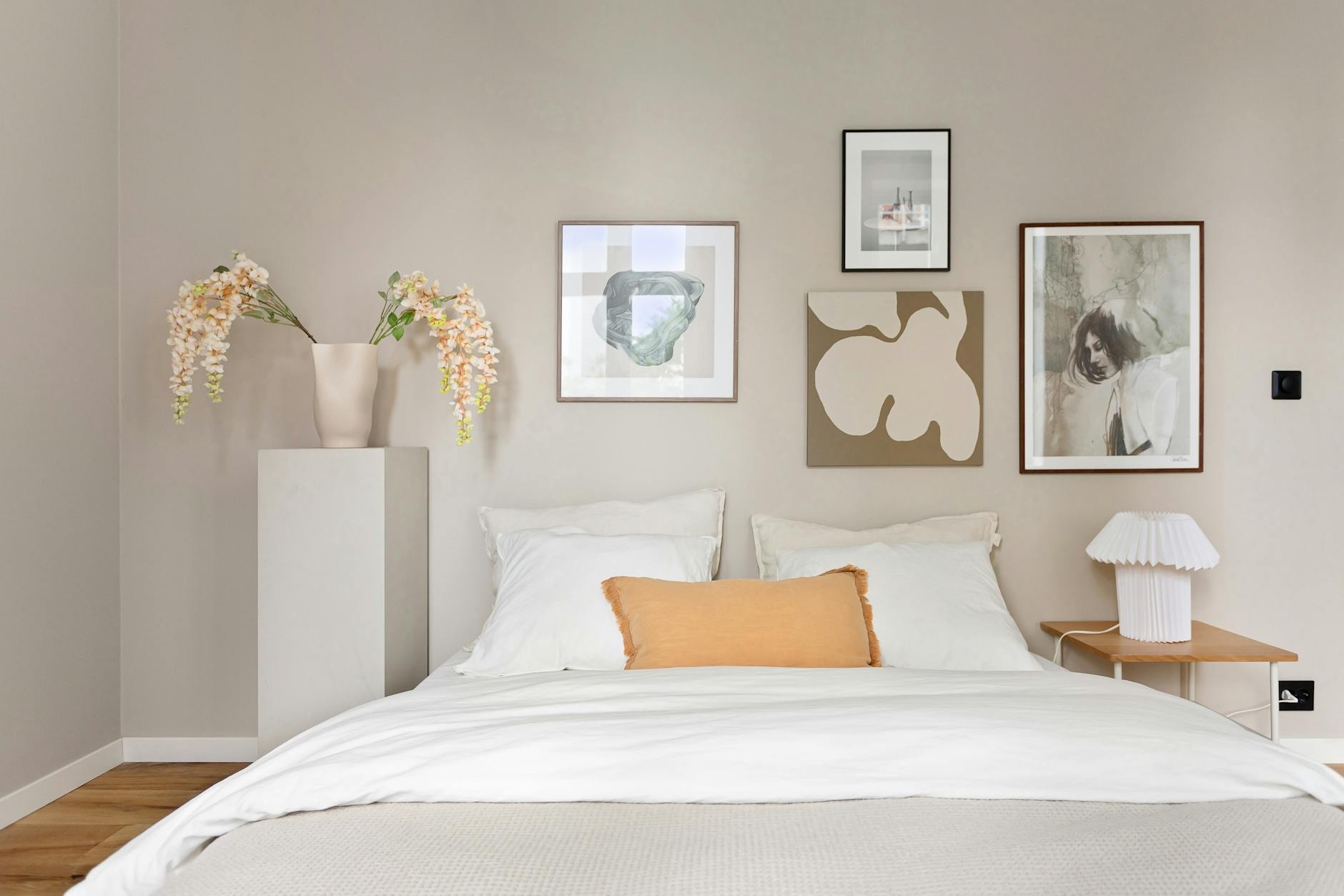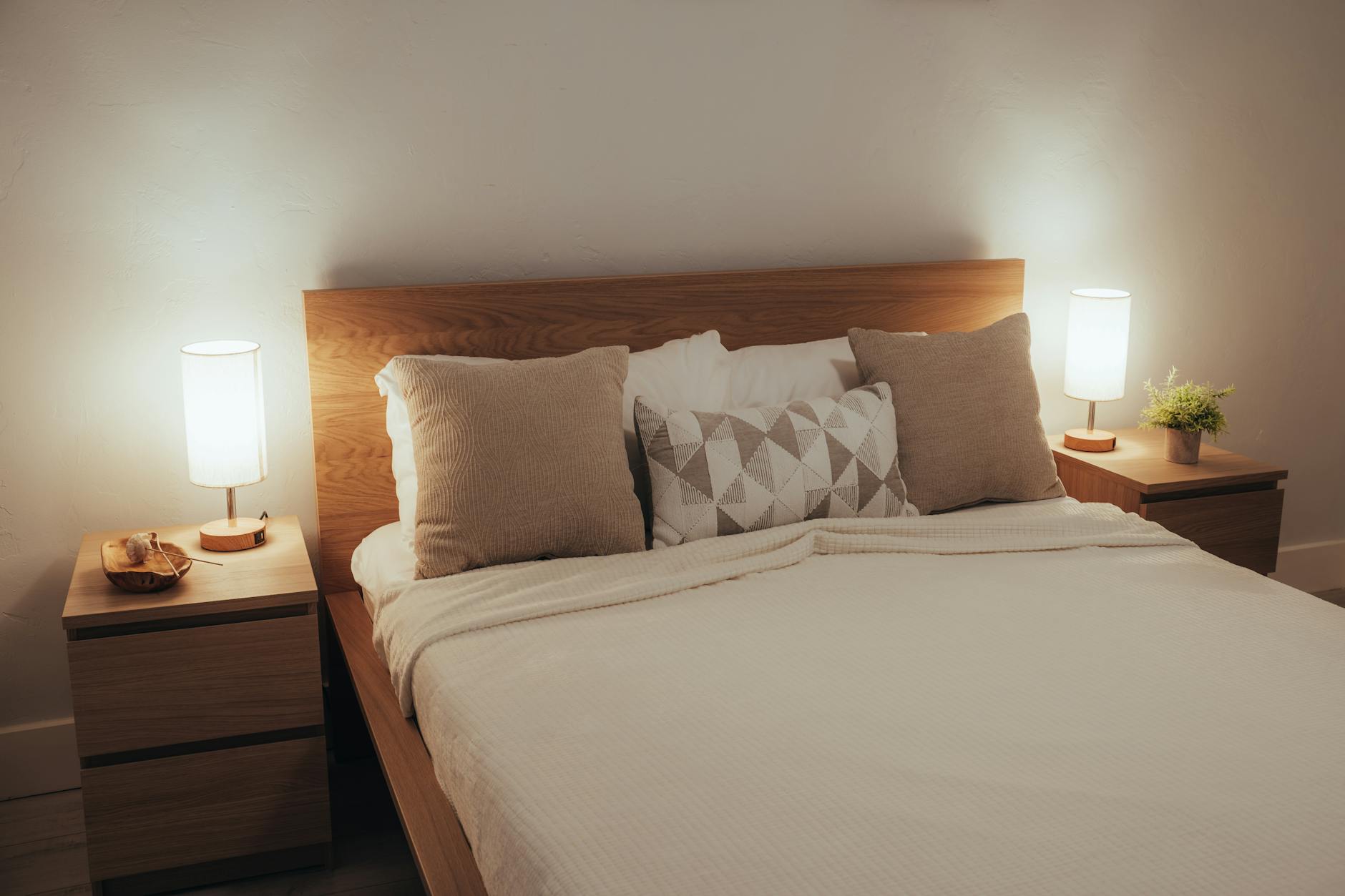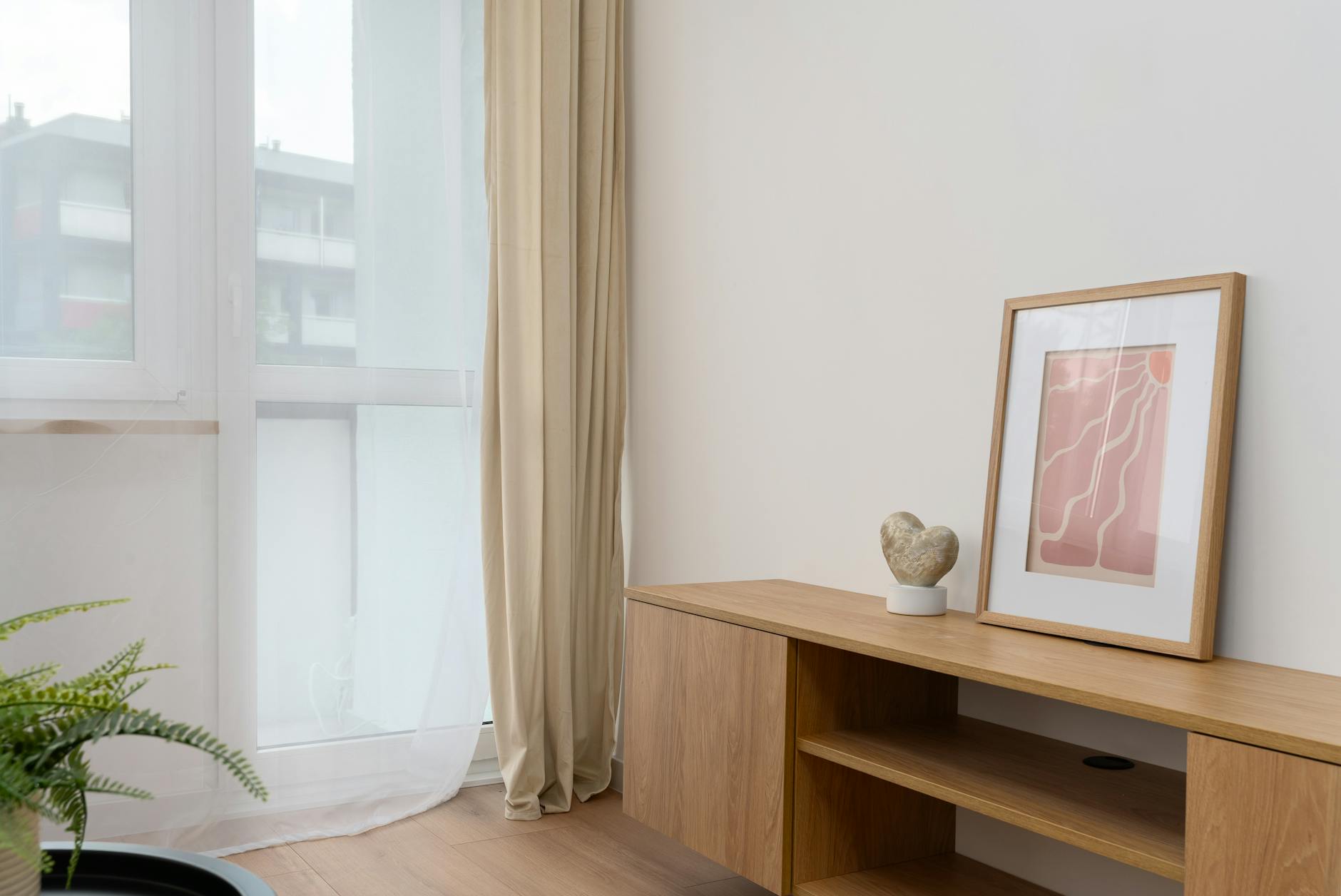
How to Build a Cohesive Wall Art Collection One Piece at a Time
A single framed print on a bare wall can feel lonelier than no print at all.
Most people know this instinctively, which is why they wait. They hold out for the complete vision, the finished arrangement, the cohesive collection that arrives whole. And the wall stays blank. Months pass. Sometimes years.
What those people do not realize is that the complete vision is built, not found. It starts with one piece. It grows slowly, in conversation with itself. And by the time it looks settled, it will feel like it was always meant to be exactly this way.
This is how you build a wall art collection that holds together, even when you are buying one piece at a time.
What "Cohesive" Actually Means
Visual coherence in a wall arrangement refers to the quality where each piece feels like it belongs alongside the others, connected by shared elements without being identical. It is not the same as matching. A collection where every frame is the same wood tone, every print is the same size, and every image uses the same palette does not necessarily feel cohesive. It can feel sterile. Planned. Like a showroom, not a space someone actually lives in.
Real cohesion comes from shared language, not shared instructions. The pieces in a collected arrangement often have different origins, different sizes, and different subjects. What ties them together is something subtler: a repeated color pulled from the warmest tone in each image, a consistent frame finish that runs like a quiet thread through the wall, or an emotional territory they all occupy together.
A 2010 study published in Personality and Social Psychology Bulletin by researchers at UCLA found that women who described their home environments as cluttered and unfinished showed significantly elevated cortisol levels throughout the day, while women who described their spaces as restful and ordered showed measurably lower stress markers. What we see on our walls, and how intentional or dissonant it feels, affects our nervous system in ways we rarely name but always feel.
You do not need to buy ten prints to make a wall feel settled. You need the right three. And the right three start with one.
The Anchor Piece
Every cohesive collection is organized around an anchor, the first piece you commit to, the one that sets the visual and emotional tone for everything that follows. The anchor does not have to be the largest piece on the wall. It does not have to be the most expensive. It has to be the most certain. The one you stop questioning.
When you find it, you will feel it more than you see it. It will look right in a way you cannot fully explain. That is not subjectivity running loose. That is your nervous system recognizing something that matches what you need that wall to hold.
Once you have your anchor, every subsequent piece is simply a question of conversation. Does this new piece speak the same emotional language? Does it share a color, a tone, or a feeling with what is already there? If the answer is yes, it belongs. If you have to convince yourself, it does not.
If you want guidance on sizing and framing before you commit, the Sizing and Framing Card walks through the decisions simply, one choice at a time.
The Three Threads That Hold a Collection Together
Once you have your anchor, building cohesion means maintaining at least two of three threads that unify a collection. You do not need all three. Two is enough.
Thread one: color. Not every piece has to share the same palette, but each piece should speak to a color already present in the room or in another piece. This is why a collection of charcoal-ground prints beside warm sand tones can feel right, while mixing cool mint with warm terracotta can feel discordant. Pull from what you already have, and let each new piece echo something existing.
Thread two: frame finish. Consistent framing is the fastest way to create visual unity in a mixed collection. You do not need to match exact frame styles, but staying within a finish family, all natural wood tones, all black frames, or all white, will quiet the noise that mismatched frames create. When every piece speaks in a different frame voice, the eye has nowhere to rest. When the frames agree, the art gets to do the talking.
Thread three: emotional territory. This is the thread most people overlook, and the one that makes the deepest difference. A wall where every piece holds a different emotional register, one urgent, one playful, one sorrowful, and one triumphant, will never feel settled no matter how perfectly the frames match. The most restful collections occupy a consistent emotional space. Stability. Acceptance. Quiet becoming.
How Much to Hang, and When to Stop
One of the most common questions people ask when building a wall art collection is how to know when it is finished. The honest answer is that it does not feel finished. It feels settled. There is a difference.
A wall gallery typically needs three to five pieces to read as intentional rather than accidental. A single print is a statement. Two prints create a dialogue. Three prints establish a language. Five prints feel collected. Beyond five, you are working toward a full gallery wall, which requires more planning and a stronger unifying framework.
For spacing, interior designers consistently recommend two to three inches between frames. This gives each piece room to breathe while keeping the group legible as a collection. Closer than two inches and the pieces crowd each other. Further than four inches and the wall starts to feel like separate thoughts rather than one cohesive arrangement.
Research from the University of Exeter led by psychologist Craig Knight found that enriched workplaces, those where workers could arrange art and plants according to their own preferences, produced workers who were approximately 15% more productive than those in lean, undecorated spaces. The study noted that the sense of ownership and intention behind the arrangement mattered as much as the quality of the art itself. Trusting your instincts as you build is not indulgence. It is the work.
Starting Your First Wall
The bedroom wall above the bed is often the best place to begin. It is the last thing you see before sleeping and the first thing you see when you wake. It does not need to be a gallery. A single anchor piece there, well chosen and properly sized, changes the entire character of the room.
For a queen or king bed, an anchor print in the 16x20 or 18x24 range feels proportionate. For a smaller bedroom, an 11x14 creates the same held quality without overwhelming the space. If you are building toward a gallery wall above the bed, start with your anchor centered, then add pieces to either side as you find them, keeping the bottoms of the frames roughly aligned.
You do not need to map the whole layout before you begin. The collection will tell you where it wants to go as it grows.
If you are ready to start, the Grounding Collection is a good place to begin. Each print is designed to hold a specific emotional territory, which makes choosing a single anchor piece less overwhelming. The designs are minimal enough to live in any space without competing with what is already there.
If you are unsure which collection fits where you are right now, the Haven & Hold quiz takes about two minutes and points you toward the collection that matches what you need.
Frequently Asked Questions
How many pieces do I need to start a cohesive wall art collection?
One piece is enough to start. A single anchor print sets the emotional and visual tone that all future pieces will speak to. Three pieces is the point at which a wall begins to feel like an intentional collection rather than an isolated decorating decision, and five pieces generally reads as a full gallery wall arrangement.
Can I mix different frame styles and still have a cohesive collection?
Yes, with intention. The key is to stay within a finish family rather than mixing across finishes at random. All natural wood tones, for example, can include different profiles and widths and still hold together visually. Where collections break apart is when cold silver frames sit beside warm honey oak beside glossy black, with no unifying thread between them.
Do I need to plan the full gallery wall layout before I start hanging?
No. Starting with your anchor piece centered on the wall and adding pieces over time, keeping spacing consistent and aligning the frames at roughly the same height, is a reliable approach. The layout will emerge naturally as your collection grows. Trying to plan every piece before buying anything often leads to analysis paralysis and a wall that stays blank for another year.
How do I know when my collection is finished?
The wall will feel settled rather than finished. You will stop noticing it as something incomplete and start experiencing it as part of the room. That shift in attention is the signal. There is no required number of pieces. The collection is done when it holds the space the way you need it to.
How do I choose an anchor piece if I am not sure what I want?
Start by asking how the wall needs to feel rather than what it should look like. Stability and safety point toward the Grounding collection. Acceptance and self-compassion point toward Wholeness. Becoming and transition point toward Growth. The right collection will narrow the decision quickly, and from there one piece will stand out as the clearest choice.
The wall does not need to be finished before it can hold you. It just needs to begin.
Take your time. Buy one piece. Let the wall tell you what it needs next. There is no right pace and no required timeline. The collection will grow when it is ready, and so will you.

Written by Haven & Hold