What to Put on the Walls After Divorce
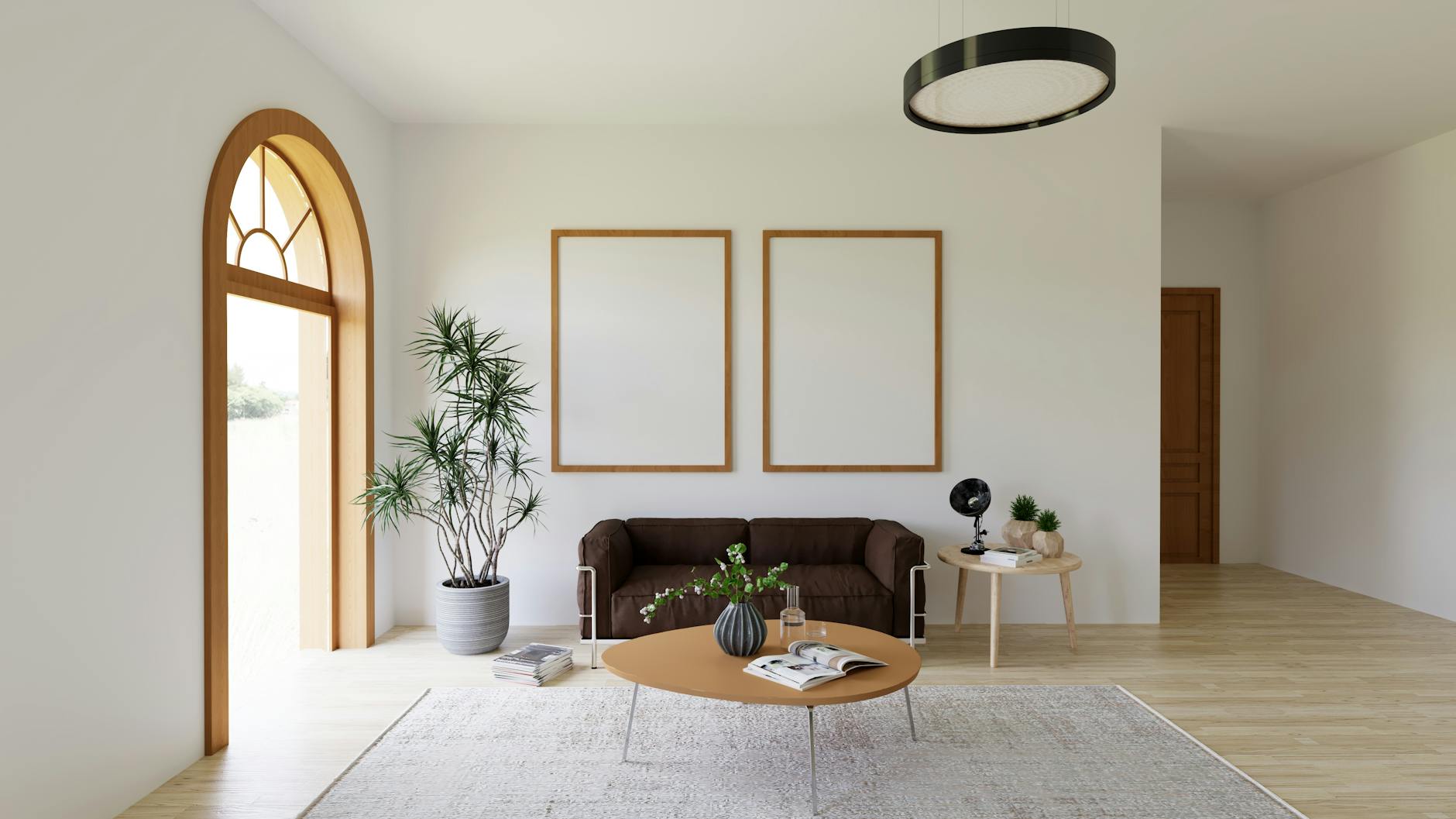
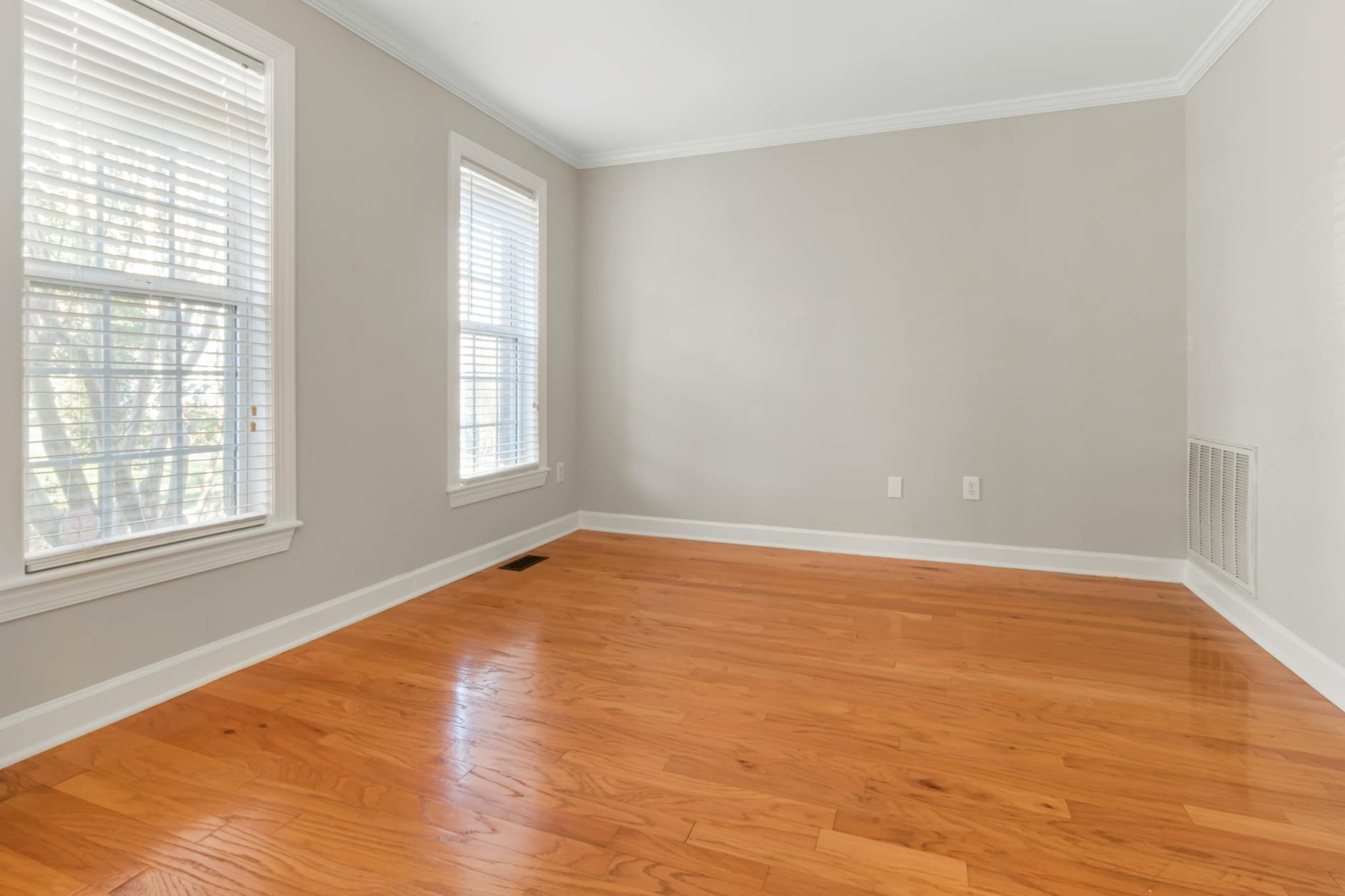
The nail holes are still there. Small punctures in the wall where things used to hang, things that belonged to both of you, or things that were always more theirs than yours. You spackled over some of them. Others you left without quite deciding to.
Standing in a room that used to hold two people's worth of objects, and now holds only the quiet, is a particular disorientation. Not just the practical question of what to put here, but the older, stranger one beneath it: what do I even like anymore?
It is okay if you don't know yet.
The Blank Wall and the Identity Gap
The walls in your home are empty for a reason, and it is not because you haven't gotten around to choosing something. You've opened the tabs. You've scrolled every shop. You've closed the browser and walked away more times than you can count. Something keeps stopping you, and it's not indecisiveness. It's accuracy.
Identity diffusion, which refers to the state of not knowing who you are or what you value, is a recognized response to major life transitions including divorce. It happens when the self that was shaped by and shared with another person suddenly has no one to negotiate with anymore. The question "what do I want on my walls?" becomes genuinely unanswerable when the deeper question, what do I want at all, is still taking shape.
Research supports what you may already feel in the body. A 2010 study by researchers Darby Saxbe and Rena Repetti at UCLA found that women who described their homes as cluttered or unfinished showed higher cortisol levels across multiple days, compared to women who described their homes as restful or restorative. Your physical environment is not neutral. But that same research holds something softer too: the in-between state of an undecorated room, while genuinely uncomfortable, is a real and temporary condition. A phase you are moving through, not a problem to solve immediately.
The blank wall is holding the question open. That is not nothing. That is, in fact, a gift, even when it doesn't feel like one.
You don't have to rush past it.
Why Your Taste Feels Gone
After a long relationship ends, people frequently describe not knowing what they like anymore. This is not dramatic. It is genuinely true, and the research supports it. Studies on post-divorce adjustment consistently find that it takes an average of 12 to 24 months for adults to rebuild a stable, coherent sense of self following a significant relational ending.
You spent years making small accommodations about your shared space. His side table, her print, the couch you both agreed was "fine." Over time, the accumulation of those small negotiations becomes the backdrop of your life. When it disappears, you may find that you've lost track of the inner voice that says: yes, that, I want that.
Psychologists studying post-relationship identity describe a condition called self-concept clarity loss, a measurable reduction in how coherently and confidently a person can describe who they are after a significant relational ending. The person who knew exactly what they wanted in a room five years ago finds themselves standing in front of the same blank wall, genuinely uncertain.
That uncertainty is not a character flaw. It is the result of having been in something real, for a long time, with someone whose preferences lived alongside yours until they became indistinguishable.
According to the Holmes-Rahe Life Stress Inventory, developed through research by psychiatrists Thomas Holmes and Richard Rahe on the relationship between life events and health, divorce is assigned a score of 73 out of 100 on that scale, placing it second only to the death of a spouse, which scores 100. It changes more than your address. It reshapes the context inside which you understood yourself.
So when you stand in front of a blank wall and feel nothing, or feel too much to name: that is the accurate response. Not a failure to move forward. The honest beginning of figuring out what moving forward looks like for you, specifically, in a life that is yours again.
If words are part of how you hold yourself through hard seasons, Words for Hard Seasons is a free resource built for exactly this in-between place.
What You Don't Have to Do Right Now
You don't have to redecorate.
Not this week. Not because an article told you to "reclaim your space." Not to prove to yourself or anyone else that you're handling things gracefully. You don't have to fill every wall, choose a new aesthetic, or make the room feel finished before you're ready.
The blank wall is doing something, even as it sits empty. It is holding open the space between who you were and who you are still becoming. Resisting the urge to fill it immediately is not avoidance. It is honoring the in-between, which is a real place with its own particular demands.
Freedom after a long relationship ends is rarely euphoric at first. Often, it is quiet. The strange relief of a space that belongs entirely to you, for the first time in years, takes time to settle into. The disorientation, the standing in the middle of the room without knowing where anything should go, is not a sign that something is wrong. It is the feeling of having new latitude and not yet knowing what to do with it.
One woman described the post-divorce process of choosing things for her apartment: she began by picking out pieces that made her feel good. She didn't think about whether they went together. She didn't care if other people didn't like them. Nobody else had a vote in the room anymore, and learning how to use that vote was the whole practice.
That's not a decorating tip. It's a permission.
You don't have to have an answer yet. The room will wait.
When You Are Ready to Begin
Ready looks different for everyone. For some it's two weeks. For others it's two years. There is no timeline that means you're healing at the right pace, and no room that's "supposed" to be finished by a certain date.
When the impulse arrives, one wall is enough. Not a gallery wall. Not a complete refresh. One thing that feels right when you hold it up and look at it, one thing that doesn't announce anything, doesn't perform a fresh start, doesn't try to prove that you've moved on. Something that sits quietly in the room and feels like yours.
A few things worth holding onto when that moment comes:
-
You don't need a coordinated aesthetic. Walls gathered slowly, over time, from pieces that genuinely stopped you mid-scroll, tend to feel more alive than rooms decorated in a single weekend with things that seemed reasonable at the time.
-
You don't need the piece to explain the season you're in. It just needs to hold space within it. It just needs to be true.
-
You don't need to get it right the first time. Art can be moved, reconsidered, and replaced. Starting is the whole practice.
The Wholeness Collection was built for exactly this place. Not for triumph or arrival. For the quieter, more honest work of letting all of who you are, including the parts still figuring themselves out, be present in the room you live in. Prints like "Space for all of you" and "Held gently, held wholly" were not made for people who have things sorted. They were made for the in-between.
If you'd like some help finding where to start, the two-minute Haven & Hold quiz will point you toward the collection that most closely fits where you are right now.
When the time comes, this is here.
Frequently Asked Questions
Is it normal to not know what I want on my walls after a divorce?
Yes, and it is more common than most decorating advice acknowledges. After a major relational ending, people frequently experience what psychologists call self-concept clarity loss, a reduced ability to describe their own preferences and values with confidence. The blank wall is often a physical reflection of an internal process, not a practical failure or a sign that you lack taste.
How soon should I start decorating after a divorce?
There is no correct timeline. Some people find that choosing one object for their space feels grounding in the first weeks. Others need months before the impulse arrives naturally. The most useful guide is whether the choice feels genuinely yours rather than something you're doing to appear okay or to signal to yourself that you've moved on.
What type of art actually helps during an emotional transition?
Environmental psychology research suggests that spaces with visual simplicity, low complexity, and a sense of enclosure and quiet support psychological recovery more effectively than visually stimulating or maximalist spaces. Art that is undemanding, that doesn't try to tell you who to be, tends to work better during this season than art that makes aspirational statements about who you're becoming.
Why does choosing home decor feel so loaded after a breakup or divorce?
Because it is. Your home environment is part of your identity, and for much of your relationship it was a shared identity. Choosing what goes on your walls is one of the first acts of building an identity that belongs entirely to you again. That weight is real and worth acknowledging, not rushing past.
Can the art on my walls actually affect how I feel emotionally?
Yes. Environmental psychology research consistently shows that visual environments affect physiological stress responses, including cortisol levels, and psychological states including sense of safety and self-continuity. The objects you choose to surround yourself with shape, subtly and continually, how you feel in the space you inhabit day after day.
The walls in your home don't need to hold answers right now. They're allowed to hold questions for a while, to be the one part of this in-between season that makes no demands on you and waits without judgment.
When something feels right, you'll know it. And until then, the blank space is not a failure. It is a room that is waiting, quietly, for you to come back to yourself.

Written by Haven & Hold