Why We Rearrange Furniture When We're Going Through Something
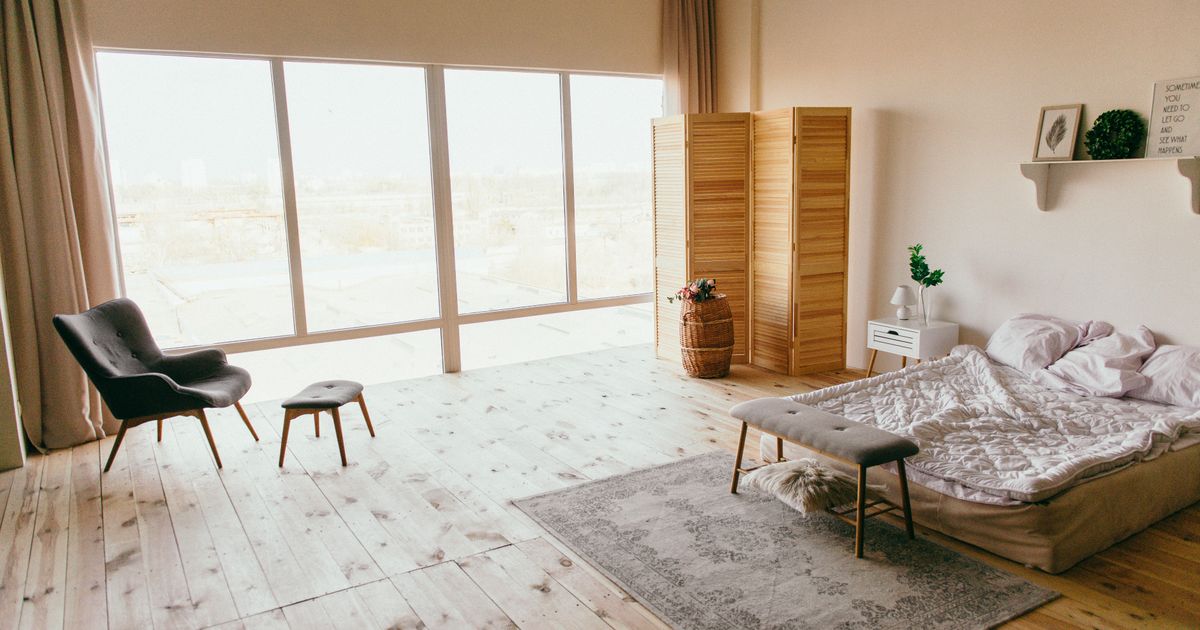
You moved the bed to the other wall on a Sunday afternoon, three weeks after the relationship ended.
Not because the feng shui was off. Not because you had any particular plan. You just found yourself picking up one end and starting to move, and it felt like the most reasonable thing you had done in weeks. The room looked different. You stood in the doorway and something settled, just slightly.
You probably know someone who does this. You have done it yourself. After a hard week, after a loss, after a season that was longer and heavier than you expected, something in you reaches for furniture.
This instinct is not as mysterious as it feels. And it is worth understanding.
Your Body Gets There Before Your Mind Does
When something significant happens in your life, the sensation often lives in the body before it arrives as thought. Your chest holds differently. Your sleep changes. Your appetite does something unfamiliar. And then, without quite deciding to, you start moving furniture.
The nervous system scans your environment the way it scans for everything: looking for something solid, something touchable, something where your hands can do something useful. When internal life feels hard to reach, the room becomes reachable in its place.
Environmental psychology refers to this as perceived environmental control, which is the degree to which a person experiences themselves as having agency over their physical space. Research has consistently shown that even small acts of spatial influence, like rearranging furniture, introduce a felt sense of agency that the nervous system registers as meaningful. A 2019 study in the Journal of Environmental Psychology found that individuals who described having control over their home's arrangement reported significantly greater life satisfaction than those who felt unable to influence their space.
This response has older roots too. From an evolutionary standpoint, humans have always used their immediate physical territory as a tool for safety. When external circumstances feel unsteady, the instinct to arrange your immediate space so that it feels settled and defensible is not a neurotic habit. It is a very old one.
You don't rearrange because you're being avoidant. You rearrange because something in you knows the body needs to do something with what the mind is still holding.
What Changing the Room Actually Does
The science of this is worth sitting with.
A 2010 study published in Personality and Social Psychology Bulletin, conducted by researchers Darby Saxbe and Rena Repetti, found that women who described their homes as cluttered or unfinished had significantly higher cortisol levels throughout the day compared to women who described their homes as restorative. Cortisol is the body's primary stress hormone. That is not a metaphor. The way your space is arranged has a measurable effect on how your body holds stress.
When you rearrange, you interrupt that pattern. The room that felt like a reminder of something difficult now has a different shape. Light falls in a different place. You wake up looking at a different wall. The nervous system, which is exquisitely attuned to environmental cues, registers the change as real.
What you're doing when you push the couch to a different wall is, in a practical sense, resetting your environmental inputs. You're giving your nervous system something new to scan, and in doing so, something it can practice feeling settled in. The change doesn't need to be large. It needs to be genuine.
This is also why the change has to be physical, not imagined. You cannot think your way into the feeling of a different room. The body needs to be in the changed space to begin building a different relationship with it.
If you want a structured place to begin, the Five-Minute Room Reset walks you through it one corner at a time, without needing to move everything at once.
Why the Bedroom Keeps Getting Rearranged
Pay attention to which room you rearrange. It is almost always the bedroom.
Not the kitchen, which is functional first and emotional second. Not the living room, which holds a social arrangement and already knows guests. The bedroom. The room where you are most unguarded, most unobserved, and most honestly yourself.
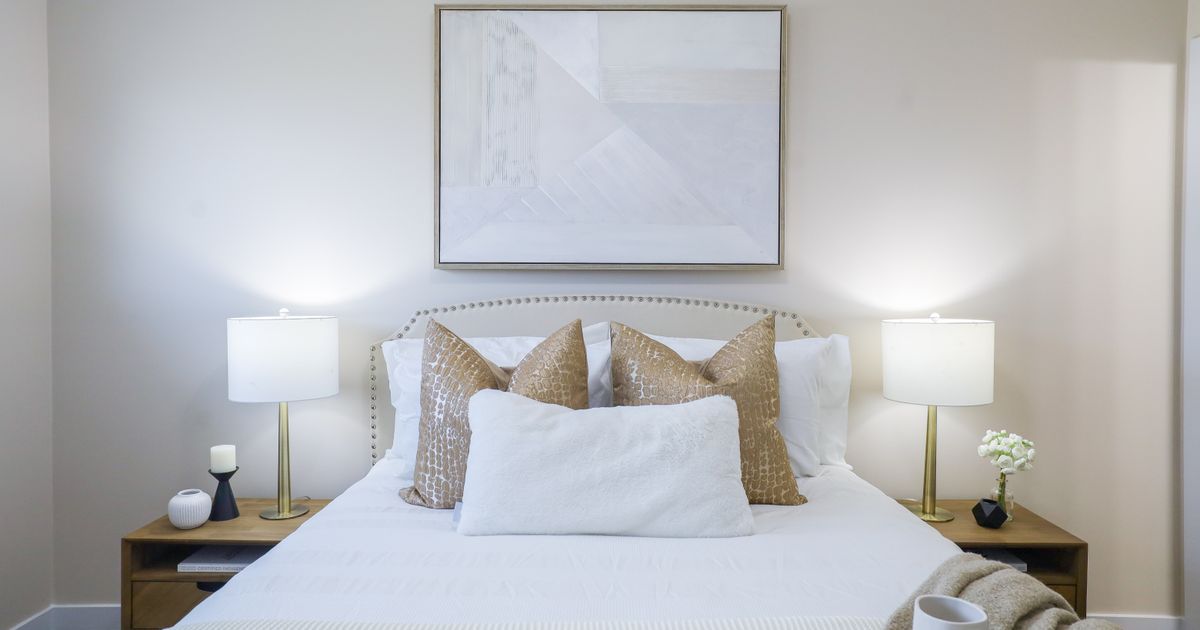
The bedroom holds a particular weight in the emotional architecture of a home. It is where sleep happens, and sleep is where the unprocessed feelings wait. It is the room you are in when you wake up, when you lie awake at 3 a.m. with something you wouldn't say aloud in daylight, and when you fall asleep again still carrying it. The way it's arranged shapes what the first and last thing you see each day will be.
So when something shifts inside you, the bedroom often shifts first. You want a different shape to wake up to. You want the window to catch the morning light in a new way. You want to stand in the doorway and feel something other than what you have been feeling.
This makes a quiet kind of sense. The bedroom holds more emotional memory than any other room in the house, and sometimes what the body is asking for is a chance to begin building different ones.
What You're Actually Moving
There is a quieter thing underneath the practical thing.
When you cannot rearrange your grief, you rearrange your furniture. When you cannot resolve the conversation that went sideways, or untangle what happened, or speed up the passage of a hard season, you move things you can actually move.
This is not avoidance. Let that be said clearly: this is not a way of not dealing with something. It is a way of doing something with the body while the mind and heart work on everything else. Rearranging furniture is a form of tending. It says: I am going to care for what I can care for right now.
Therapists who work with clients through major transitions often notice this pattern. The client who rearranges their home office after a job loss. The person who moves everything in their bedroom after a long relationship ends. The new parent who shifts the room for the fourth time, not because the layout is wrong but because the act of changing it is meeting a need that words have not reached yet.
The body processes experience through movement and through space. Rearranging is both.
After the Room Settles
At some point, the moving stops.
You stand in the doorway and look at what you've made, and something in you gets quieter. Not fixed, not finished. But quieter. The room holds a different shape now, and you are inside it.
This is the moment worth paying attention to. After the rearranging is done, when your hands have stopped moving and the new arrangement is simply the arrangement, what's left in the room? What does it need to hold now?
Some people find that a rearranged room wants something on the wall. Not decoration in the conventional sense, but an anchor: something that makes the new space feel like it was always meant to be this way. Something that says the room is on your side. Something quiet enough to belong there.
The Grounding Collection was made for rooms that have been rearranged, rooms that have been through something, and rooms that are being asked to hold more than rooms usually hold. If you're in that moment, take your time with it.
If you want to understand what your home is asking for right now, the Haven & Hold quiz is a gentle place to start.
Frequently Asked Questions
Is rearranging furniture a sign of anxiety or avoidance?
Rearranging furniture is often neither. It is a physical expression of a need for agency, a way the body does something purposeful when circumstances feel outside your control. While persistent, compulsive rearranging that disrupts daily life is worth talking through with a therapist, the occasional urge to change your space during difficult times is a healthy and recognized response.
Why do I always want to rearrange my bedroom when something hard happens?
The bedroom holds more emotional memory than any other room in the house. It is the space where you are most unguarded, where sleep happens, and where unprocessed feelings tend to wait. When something shifts internally, the bedroom often shifts first because it is the room most closely tied to your inner life.
Does rearranging furniture actually help with stress?
Research suggests that it can. A 2010 study in Personality and Social Psychology Bulletin found that women who described their homes as restorative had significantly lower cortisol patterns throughout the day compared to those who described cluttered or unfinished spaces. Rearranging is one way of moving a space from one category toward the other.
What if the urge to rearrange feels compulsive or never-ending?
If you find yourself rearranging frequently without the change ever feeling settled or right, it may be worth paying attention to what the movement is reaching for. Sometimes the rearranging is looking for something that furniture placement alone cannot provide: a sense of being held, or of feeling genuinely safe in the room. That is worth exploring, ideally with a therapist.
Can rearranging a room help you process emotions?
It can be part of that process, yes. The body processes experience through movement and through physical space, and rearranging offers both. It is not a substitute for sitting with something emotionally difficult, but it can create a physical container that supports that sitting.
How do I know when a room has been rearranged enough?
Often, you feel it. There is a moment when you stand in the doorway and something in you settles. The room feels different, and that difference is enough to work with. You don't need a perfect arrangement. You need one that feels like yours.

Written by Haven & Hold