

The Japandi Aesthetic Guide
There is a kind of beauty that doesn't ask to be noticed. It doesn't announce itself with bold colors or cluttered shelves. It simply sits — quiet, warm, unhurried. That is the heart of Japandi wall art and the Japandi aesthetic: the place where Japanese minimalism meets Scandinavian warmth, and both exhale.
If you've been drawn to spaces that feel both spare and soft, both intentional and lived-in, you're already finding your way toward Japandi. This isn't about following rules. It's about giving yourself permission to want less — and to let that feel like enough.
What Is Japandi, Really?
Japandi is the quiet conversation between two design philosophies that share more than you'd expect. Japanese wabi-sabi — the practice of finding beauty in imperfection, in the worn and the weathered — meets Scandinavian hygge, that deep-rooted sense of coziness and comfort. Together, they create spaces that hold you without crowding you.
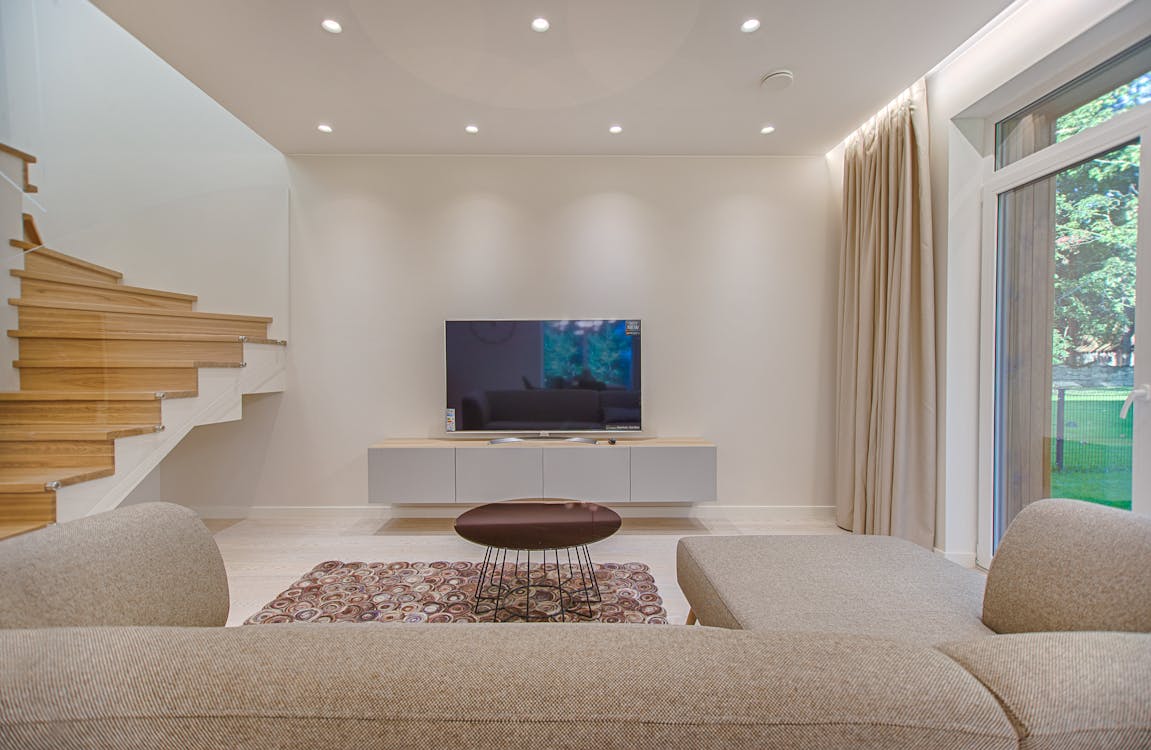
Where Japanese design leans toward restraint and nature, Scandinavian design leans toward warmth and function. Japandi doesn't choose between them. It holds both. Clean lines softened by natural textures. Neutral palettes warmed by handmade details. Space that breathes, but never feels empty.
This is a style for people who have done the work of figuring out what actually matters to them — and are ready to let go of the rest.

The Core Principles of Japandi Design
Wabi-Sabi: Beauty in the Imperfect
Wabi-sabi is the Japanese philosophy that nothing lasts, nothing is finished, and nothing is perfect — and that this is where beauty lives. In your home, it looks like a hand-thrown ceramic vase with uneven edges. A linen throw with a loose weave. Wall art with organic, imperfect lines rather than precise geometry.
It's permission to stop chasing flawless. Your space doesn't need to look like a catalog spread. It needs to feel like yours.
Hygge: Warmth That Holds You
The Scandinavian contribution to Japandi is the insistence that minimal doesn't mean cold. Hygge is the practice of creating warmth — through soft lighting, natural materials, textures you want to touch. It's the reason a Japandi room has a wool blanket draped over a low-profile chair, or why the light always seems golden.
Together, wabi-sabi and hygge create a kind of grounded softness. A room that says: you're allowed to rest here.
Ma: The Space Between
In Japanese design, ma is the concept of negative space — the intentional emptiness that gives everything else meaning. A single piece of wall art on an otherwise bare wall isn't a lack. It's a choice. The empty space around it isn't waiting to be filled. It's doing its own quiet work.
This is perhaps the hardest principle for most of us. We've been taught that more is more, that blank walls need fixing. Japandi asks: what if the space itself is the point?
Japandi Wall Art: What to Look For
Wall art is where Japandi truly comes alive in a space. The right piece anchors a room without overwhelming it. Here's what to look for when choosing Japandi wall art for your home.
Muted, Earthy Color Palettes
Think warm neutrals — soft whites, sand, stone, charcoal, sage, muted clay. Japandi color palettes are drawn from nature rather than trend forecasts. According to Architectural Digest, the Japandi palette bridges the cool grays of Scandinavian design with the warmer earth tones of Japanese interiors, creating a range that feels both calming and grounded.
Avoid anything neon, high-contrast, or overly saturated. Japandi art whispers. It doesn't shout.
Typography and Meaningful Words
Minimalist quote prints fit naturally into the Japandi aesthetic — especially when the typography is clean, the words are intentional, and the overall design breathes. A single grounding phrase on a simple print can anchor an entire room the way a single stone anchors a Japanese garden.
Look for prints where the words carry weight without the design carrying clutter. Thin serifs. Generous white space. The feeling that every letter was placed with care.
Natural Textures and Organic Forms
Japandi art often echoes the textures found in nature — brushstrokes that mimic water, abstract forms that recall mountains or clouds, botanical illustrations with hand-drawn quality. If it feels like something that could have been made by hand, slowly and deliberately, it belongs.
This is where the wabi-sabi influence shows most clearly. A print with slightly irregular edges. An illustration where you can sense the artist's hand. These imperfections aren't flaws — they're proof that something was made with care, not manufactured at speed. In a world full of perfectly rendered images, there's something deeply grounding about art that carries the fingerprints of its making.
Scale and Restraint
In a Japandi space, one well-chosen piece says more than a gallery wall ever could. Consider a single large-format print centered on your most visible wall. Let the negative space around it do its work. If you do choose multiple pieces, keep them from the same color family and leave generous breathing room between frames.

How to Create a Japandi Space at Home
Start by Letting Go
The first step isn't adding anything. It's removing. Look at your space and ask: what here is doing real work — functional work, emotional work — and what is just noise? Japandi isn't about deprivation. It's about clearing away what doesn't serve you so that what remains can actually be seen.
This might mean taking down three pieces of art so the one you love most can finally breathe. It might mean swapping out a bright throw pillow for something in a muted linen. Small shifts that change everything.
Choose Natural Materials
Wood, stone, ceramic, linen, cotton, wool. Japandi spaces are built on materials that age well — that get more beautiful with time rather than less. According to Dezeen, the emphasis on natural materials in Japandi design reflects both the Japanese reverence for nature and the Scandinavian tradition of craftsmanship.
For wall art, this means considering the frame as much as the print. Natural oak frames. Simple black profiles. Unframed prints on textured paper. The frame should support the art, not compete with it.
Mind Your Lighting
Japandi spaces thrive in natural light. If your room is blessed with large windows, let them do the work. Layer in warm artificial lighting for evenings — think paper lanterns, ceramic table lamps, candles. Avoid anything overhead and harsh.
The way light falls on your wall art matters. A print that looks flat under fluorescent light can come alive next to a window where the light shifts throughout the day.
Embrace Low-Profile Furniture
Both Japanese and Scandinavian design favor furniture that sits close to the ground. Low platform beds, floor cushions, simple wooden benches. This creates a sense of openness that makes rooms feel larger and more peaceful than they are. It also changes the way you see your wall art — lower furniture means your eye rests on the art at a natural, comfortable height.
Japandi in Every Room
The Bedroom
This is where Japandi feels most like coming home. A low bed with linen bedding in neutral tones. A single piece of quiet art above the headboard — something that's the last thing you see before closing your eyes and the first thing you see when they open. A space that says: you're allowed to be still here.
The Living Room
Keep the sofa simple and the coffee table natural. One statement piece of wall art on the largest wall. A few carefully chosen objects — a ceramic bowl, a stack of books, a single plant. Resist the urge to fill every surface. The emptiness is the design.
The Home Office
A clean wooden desk. A grounding quote on the wall in your line of sight. Nothing more than what you need to do your work and feel held while doing it. Japandi offices are proof that you don't need clutter to feel productive. Sometimes the quieter the space, the clearer the thinking.
The Reading Corner
A low chair or a floor cushion. A single shelf with a few well-loved books. A piece of art that invites you to slow down. The Japandi reading corner is not about having the perfect library — it's about having a space that gives you permission to sit with a single book and actually finish it. A corner where the world shrinks to the size of a page, and that feels like exactly enough.
Living the Japandi Way
Japandi isn't really about interior design at all. Not at its core. It's about a way of being — one that values quality over quantity, presence over productivity, and beauty in the imperfect. It's the understanding that your home doesn't need to impress anyone. It just needs to hold you.
If you're drawn to spaces that feel intentional and warm, that make room for quiet and leave space for you to breathe — you're already here. You don't need to start over. You just need to start noticing what your space is already trying to tell you.
Explore our minimalist wall art collection to find the piece that grounds your space — not because you need more, but because sometimes the right words on the right wall change how a room holds you.
A Practical Note
Japandi refers to an interior style that brings Japanese wabi-sabi restraint together with Scandinavian warmth, which means the room feels simple without becoming cold.
Two data points explain why small home details matter. Houzz’s 2024 U.S. Houzz & Home Study surveyed more than 30,000 homeowners and reported that median renovation spending rose 60% from 2020 to 2023. The National Association of Realtors' 2023 Profile of Home Staging also found that 81% of buyer's agents said staging made it easier for buyers to imagine a property as a future home.
Frequently Asked Questions
What is Japandi style?
Japandi style refers to a blend of Japanese restraint and Scandinavian warmth. It favors natural materials, quiet palettes, low visual clutter, and pieces that feel useful as well as beautiful.
What kind of wall art works in a Japandi room?
Wall art for a Japandi room works best when it is restrained, textural, and calm. Choose soft neutrals, organic forms, quiet typography, or simple geometric shapes instead of loud color or busy imagery.
Is Japandi the same as minimalism?
Japandi is related to minimalism, but it is warmer and more tactile. The goal is not emptiness; the goal is a room with fewer, better-chosen objects.
What colors fit the Japandi aesthetic?
Warm white, sand, clay, stone, charcoal, muted green, and natural wood tones all fit the Japandi aesthetic. High-contrast color can work in small amounts, but the overall feeling should stay grounded.
You might also enjoy

Written by Haven & Hold


