2026 Home Decor Trends That Actually Matter
You have probably already scrolled past at least five trend reports this week. Thirty-seven things to try. Twelve things that are out. Eight trends you missed last year that are back, somehow. By the time you finish reading any of them, half of it feels exhausting and the other half feels irrelevant to an actual life.
The problem with trend content isn't that it's wrong. A lot of what's being called a trend in 2026 is genuinely worth paying attention to. The problem is that it's written as if your home is a mood board rather than a place where you actually live, recover, and do the quiet hard work of being a person.
This is a different kind of guide. It separates the signal from the noise: which 2026 design directions are grounded in how humans actually experience space, and which ones you can scroll past without a second thought. Because the question worth asking isn't what's trending. It's what's true.
What "Intentional Design" Actually Means in 2026
Before the specific trends, a definition worth holding onto: intentional design refers to the practice of making choices about your space based on how you want to feel in it, rather than how it should look to someone else. It's the difference between decorating for a photograph and arranging a room you actually want to sit in.
This framing matters because 2026's most compelling design shift isn't a specific aesthetic. It's a change in motivation. More people are asking what their space is doing for them rather than what it's saying about them. Research supports why this question is worth taking seriously.
A 2010 study published in Personality and Social Psychology Bulletin found that women who described their homes as "cluttered" or "unfinished" had elevated cortisol levels throughout the day. The same study found that women who described their homes as "restful" and "restorative" showed flatter cortisol profiles, meaning their stress hormones were more regulated even when life outside the home was demanding. The home is not neutral. It is either adding to your nervous system's load or taking some of it away.
That's the ground underneath everything that follows.
The 2026 Trends Worth Your Attention
Warm Minimalism
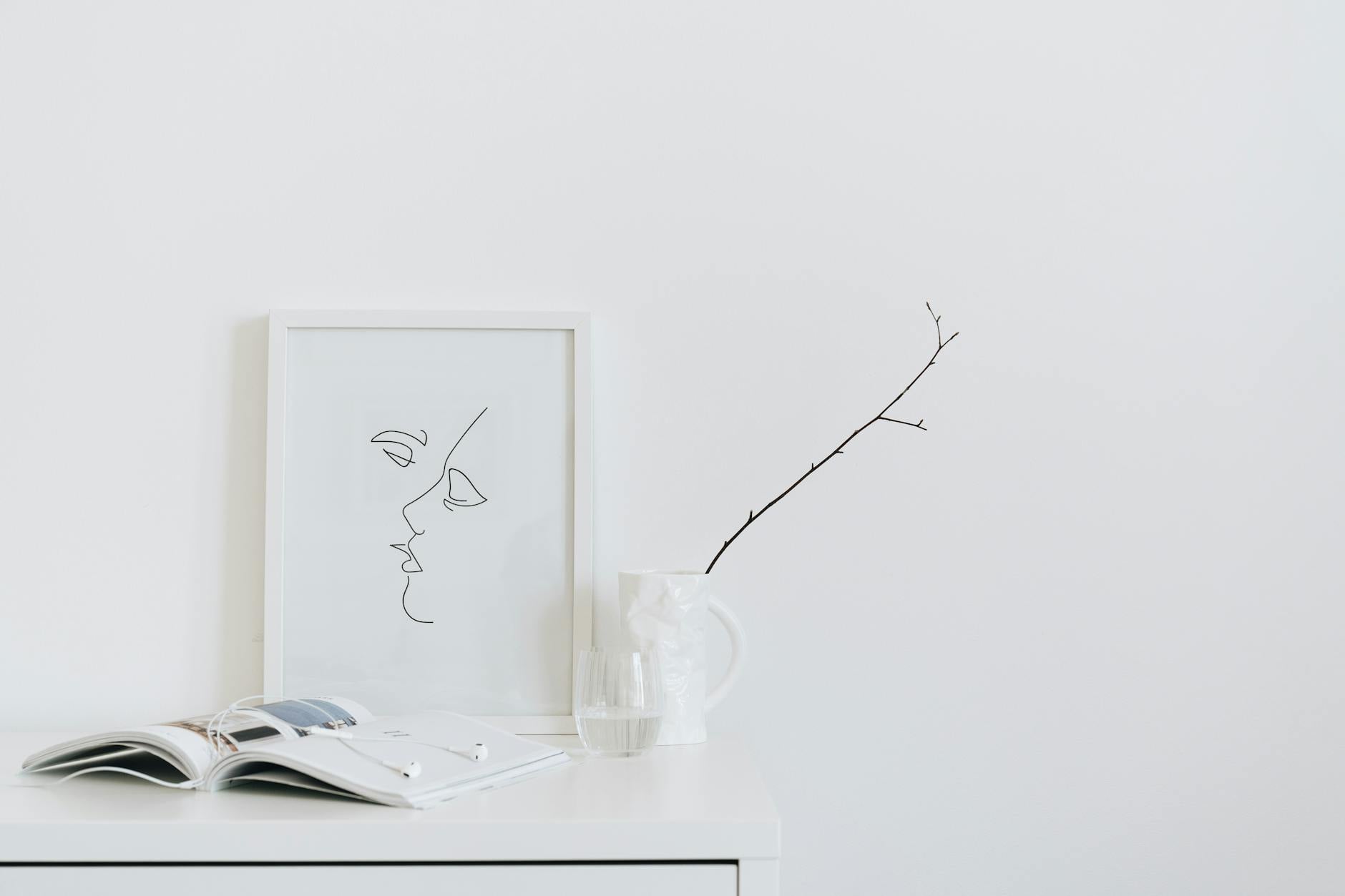
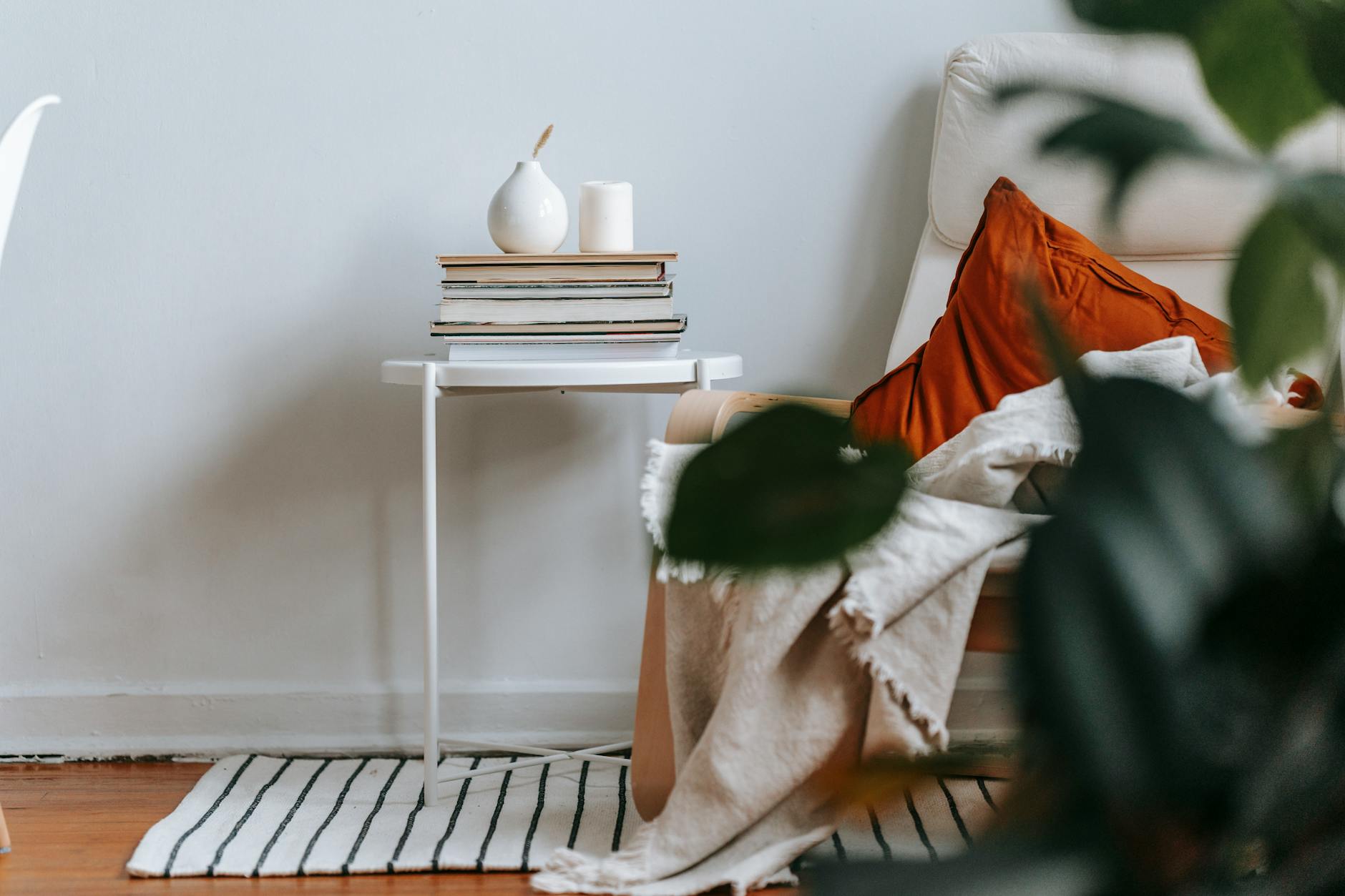
The particular version of minimalism that dominated interiors for the last decade, white walls, bare surfaces, nothing that wasn't functional, is giving way to something more livable. Warm minimalism is the design direction that maintains an uncluttered look while adding natural textures, soft neutrals, and materials that invite touch: linen, raw wood, matte ceramics, and woven textiles.
This is worth paying attention to not because it's on trend, but because it's honest about what minimalism was always supposed to do. Clean space reduces cognitive load. Warm materials signal safety to the nervous system. When those two things work together, the result is a room that feels both settled and welcoming. Not sterile. Not chaotic. Somewhere you can actually breathe.
Ritual Restoration
This is the design category that describes homes built around daily practices rather than daily performance. Comfortable layered textiles, ambient lighting, spaces organized around the rituals that actually restore you rather than the ones that impress people.
If you have a corner where you read, a windowsill where you keep your morning cup, a chair you return to at the end of the day, you already understand what this is. The 2026 version of this idea is about being deliberate. About choosing the objects in that corner because they hold something for you, not because they look right in a grid.
A 2019 study in Environment and Behavior found that participants who engaged in brief, repeated rituals associated with a specific physical space showed lower physiological stress responses than those who used the same space without any ritual structure. The space and the practice are not separate things. They amplify each other.
If you want a place to start, The One-Wall Reset walks you through it, one wall at a time.
Biophilic Design and Natural Materials
Biophilic design is the practice of incorporating natural elements into built environments in ways that support human psychological and physiological wellbeing. This includes living plants, natural light, organic shapes, wood grain, stone, and materials that carry the evidence of how they were made.
This one has staying power because it's rooted in something older than trend cycles: humans are attuned by evolution to find natural environments regulating. Your nervous system knows the difference between real wood and a laminate that looks like wood. It knows the difference between morning light coming through a window and fluorescent overhead light. These are not merely aesthetic preferences. They are deep biological preferences that happen to express themselves as aesthetics.
For your walls specifically, this means texture and materials matter more than most style guides admit. A framed print on archival paper reads differently than a digital print in a cheap frame. The physical quality of what's on your wall is part of what the wall does for you.
Earthy, Grounded Color Palettes
Cool grays are giving way to warm, earthy tones. Terra cottas, deep ochres, sage greens, warm creams, and dusky blues. Colors that feel like they belong to the physical world rather than a screen.
This is worth taking seriously if you're considering repainting or adding significant color through textiles and art. Warm palettes are more physiologically settling than cool ones, particularly in spaces used for rest and recovery. And they hold up over time. A warm cream wall feels right three years after it goes up. A cool gray that was "on trend" in 2021 can feel dated before the paint fully cures.
The 2026 Trends You Can Safely Skip
Trend-Forward Accent Pieces
The specific object that appears on every design account in January and is already tired by March. These pieces are not investments in your space. They are investments in a moment, and the moment is already passing before most people have even ordered them.
If something is being described as "the thing for 2026," it will almost certainly feel dated by 2027. The decor pieces with longevity are the ones no one had to tell you to get. The things you kept returning to in your browser before you finally bought them. The things you wanted even when you weren't sure why.
All-White Everything
The sterile white-on-white interior is largely retiring, and this is worth noting not because white is wrong but because all-white spaces require the kind of constant maintenance that adds stress rather than reducing it. A home should not feel like a showroom you're allowed to live in on weekends. The move toward warmer, earthier palettes is partly an acknowledgment that pristine visual environments are beautiful to photograph and genuinely hard to inhabit.
The "Fill Every Inch" Gallery Wall
Gallery walls are not going anywhere, and they should not. But there's a version of the gallery wall that's about covering wall space rather than choosing what deserves to be on the wall. The difference is visible in the room. A wall that's been curated feels anchored. A wall that's been covered feels busy.
The question worth asking before anything goes on the wall: what is this holding? If you can't answer that, it's probably not the right piece, no matter how good it looks in the store.
What Your Walls Have to Do With Any of This
The reason any of this matters for the art on your walls is that walls are not decoration. They are the most constant visual field in your home. You see them when you wake up, when you can't sleep, when you're making coffee and trying to find your footing before the day starts.
Environmental psychology research consistently shows that the visual environment shapes mood and attentional states. What you've put on permanent display in your home is a choice about what gets to be part of your baseline. That is a more significant choice than most people treat it as, and it deserves more than trend-following.
For the person who has been in therapy long enough to know what she's actually looking for, the wall art question isn't about aesthetics. It's about what the wall says when you need it to say something. The room you spend the most time in is the one most worth being deliberate about.
The Grounding Collection was designed for exactly this. Prints with warm earthy palettes and minimal geometric forms, built for the spaces in your home where you most need to feel steady. They align with every 2026 design direction worth taking seriously: warm, grounded, biophilic in spirit, chosen with intention.
If you're not sure which collection speaks to where you are right now, the Haven & Hold quiz takes a few minutes and is a genuinely useful place to start.
Frequently Asked Questions
Is minimalism dead in 2026?
Stark, cold minimalism is largely being set aside in favor of something warmer and more livable. The underlying principle of uncluttered, considered space remains relevant and is actually gaining support. What's emerging is a warmer version that adds texture and natural materials without returning to visual noise. The goal isn't emptiness. It's intentionality.
What home decor trends have the most staying power in 2026?
The trends most likely to hold up are the ones grounded in how humans actually experience environments, rather than how spaces photograph. Warm minimalism, biophilic elements, earthy palettes, and ritually organized spaces are all rooted in psychological and physiological needs that don't shift with trend cycles. They'll feel right in 2030 for the same reasons they feel right in 2026.
How do I know if a decor trend is worth investing in?
Ask whether the piece serves how you want to feel in the space, not how it will look in a photo. The things worth spending money on are the ones you'd want even if no one else would ever see them. If the appeal is primarily social or trend-driven, it's probably not worth the investment.
What should I actually put on my walls in 2026?
Something that means something to you. Specifically, something that holds the emotional territory you spend the most time navigating. Art that functions as a small anchor, present without demanding attention, holding space rather than just filling it. The specific aesthetic, whether minimalist, warm, earthy, or textured, matters less than whether the piece earns its place in the room.
Does wall art actually affect how I feel at home?
Yes, and in ways that are more significant than most people expect. Environmental psychology research consistently demonstrates that the visual environment shapes mood, perceived stress levels, and attentional states. What's on permanent display in your home is part of the baseline your nervous system is calibrated against each day. The choice of what goes on your wall is, in a quiet way, a choice about that baseline.
Your space doesn't have to follow anything to be right. The best thing any trend report can offer is the permission to pay attention to what your space is already doing for you, and what you actually want it to do instead. That's the question worth sitting with, long after any trend cycle has moved on.
You might also enjoy
Which collection speaks to your season?
Take the 2-minute Sanctuary Style Quiz and find your starting point.
Take the Quiz
Written by Haven & Hold